Sewing
Crafts & Hands-on Making

Sewing

Transform raw fabric into functional garments, custom decor, and tactile works of art through the timeless craft of needle and thread.

โฑ๏ธ 4 min read ๐Ÿ“ฆ Starter Kit & Budget: ~$192.96

๐Ÿ”ฅ 1. The Core Appeal

There is a profound tactile satisfaction in guiding raw woven cloth beneath a dancing needle, watching loose threads transform into structural seams. Sewing bridges the gap between conceptual design and tangible utility, engaging your hands in rhythmic focus while quiet rhythm replaces the digital noise of modern life. As you feel the texture of cotton, linen, or denim move across your workspace, you enter a meditative flow where patience yields immediate physical results.

Beyond the meditative process lies ultimate creative sovereignty and self-reliance. Crafting your own clothing, repairing cherished heirlooms, or tailoring off-the-rack garments offers a unique sense of independence from fast fashion. Every finished hem and precise stitch carries the signature of your intent, instilling a deep appreciation for construction, geometry, and personal expression.

๐Ÿ—บ๏ธ 2. The Landscape

Before purchasing an array of specialty presser feet or heavy machinery, it helps to understand that sewing spans several distinct disciplines, each demanding different techniques, fabrics, and structural mindsets.

Garment Construction (Fit, Drape, and Wearability)

Focuses on tailoring clothing to human anatomy using paper patterns, darts, and seam allowances. Mastering garment sewing involves understanding drape, grainlines, and how structured or stretchy textiles mold around movement.

Quilting and Patchwork (Precision, Layering, and Geometry)

Centered on cutting geometric fabric pieces and piecing them into complex visual grids before sandwiching them with batting and backing. Precision cutting and exact quarter-inch seams are paramount to achieving clean geometric alignment.

Repair and Upcycling (Restoration and Sustainable Crafting)

Concentrates on mending, altering, and reconstructing existing textiles through darning, visible stitching, and tailored adjustments. It emphasizes resourcefulness and creative problem-solving over working from scratch with new material.

๐Ÿ’ก Recommendation

For complete beginners, a basic mechanical sewing machine paired with non-stretch woven cotton fabric is universally recommended: it eliminates the frustrating variables of stretch knits and complex computerized menus, allowing you to master straight seams, tension adjustments, and basic construction without locking you into a rigid sub-style.

๐Ÿ›’ 3. The Starter Kit & Budget

Curated minimum gear required for day one. No expensive fluff or pro-tier barriers.

๐Ÿ’ฐ
Starter Kit & Budget
~$192.96
Included in this budget: Singer Heavy Duty Fabric Shears 8-Inch โ€ข Gutermann Sew-All Polyester Thread Set โ€ข Dritz Glass Head Sewing Pins & Soft Tape Measure โ€ข Brother XM2701 Mechanical Sewing Machine โ€ข Assorted Cotton Fabric Fat Quarters Bundle โ€ข Dritz Assorted Hand Sewing Needles
Curated minimum gear required for day one. No expensive fluff.
Singer Heavy Duty Fabric Shears 8-Inch

Singer Heavy Duty Fabric Shears 8-Inch

$14.99
Buy on Amazon โ†—
Gutermann Sew-All Polyester Thread Set

Gutermann Sew-All Polyester Thread Set

$12.50
Buy on Amazon โ†—
Dritz Glass Head Sewing Pins & Soft Tape Measure

Dritz Glass Head Sewing Pins & Soft Tape Measure

$8.99
Buy on Amazon โ†—
Brother XM2701 Mechanical Sewing Machine

Brother XM2701 Mechanical Sewing Machine

$139.99
Buy on Amazon โ†—
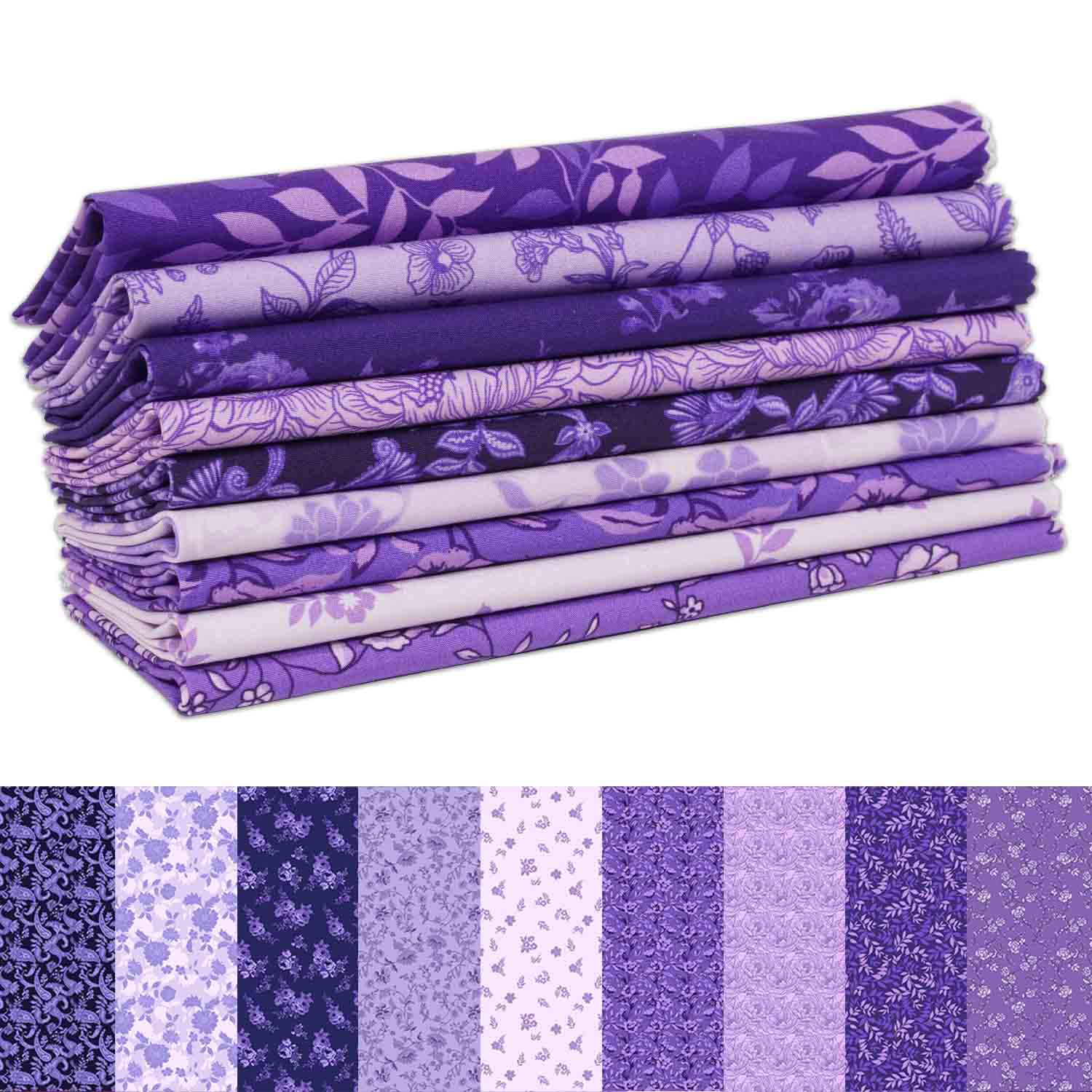
Assorted Cotton Fabric Fat Quarters Bundle

Assorted Cotton Fabric Fat Quarters Bundle

$11.99
Buy on Amazon โ†—
Dritz Assorted Hand Sewing Needles

Dritz Assorted Hand Sewing Needles

$4.50
Buy on Amazon โ†—

๐Ÿ“บ 4. The Rabbit Hole

Handpicked channels and foundational breakdowns for deep-dive technical learning.

Sewing 101 - How to Sew for Beginners
โ–ถ

Sewing 101 - How to Sew for Beginners

Source: Rosery Apparel โ–ถ Play
How to Use a Sewing Machine for Beginners
โ–ถ

How to Use a Sewing Machine for Beginners

Source: Made Everyday โ–ถ Play
Essential Hand Sewing Stitches Guide
โ–ถ

Essential Hand Sewing Stitches Guide

Source: Bernadette Banner โ–ถ Play

๐ŸŽฏ 5. The First Milestone

๐ŸŽฏ โœ“ First Milestone

The Hand-Stitched Fabric Coaster

๐ŸŽฏ Your Day-One Victory

Build confidence in fabric handling, seam matching, and clean corners by hand-crafting a simple lined fabric coaster.

1

Cut Fabric Squares

Trace and cut two matching 5-inch by 5-inch squares from a piece of non-stretch woven cotton using fabric shears.

2

Pin Right-Sides Together

Place the decorative fronts of the two fabric squares facing each other and pin along all four edges, leaving a 2-inch unpinned gap on one side for turning.

3

Stitch the Perimeter

Thread a needle with a double strand of thread and use a simple backstitch to sew around the perimeter 1/4 inch from the raw edge, pivoting neatly at each corner and stopping at your 2-inch opening gap.

4

Turn, Press, and Close

Trim the excess fabric at the four outer corners, invert the square right-side out through the opening gap, press flat with an iron, and hand-stitch the small opening closed with an invisible ladder stitch.

๐Ÿ† Day-One Victory

Once you lay your finished, neatly squared fabric coaster flat on a table with clean corners and hidden interior seams, you have officially conquered day one.

More Primers You Might Like