🔥 1. The Core Appeal

Urban sketching transforms the chaotic pulse of the world around you into a quiet, meditative dialogue between your eyes and your page. Sitting on a sunlit café terrace or a weathered subway bench, you begin to observe details previously blurred by daily routine: the rhythmic arc of historic windows, the interplay of morning shadows on pavement, and the subtle gestures of passersby. The scratch of a fine-nibbed pen across heavy, textured paper grounds you completely in the present moment, turning public spaces into your personal studio.
The true power of the discipline lies in its liberating rejection of studio perfectionism. Unlike traditional drawing from photos, urban sketching demands that you accept changing weather, moving subjects, and shifting light, turning spontaneous mistakes into lively marks of authenticity. This practice yields an intensely personal visual journal of your life and travels—each sketch serving as a vivid sensory anchor that recalls the sounds, smells, and exact atmospheric mood of the day it was created.
🗺️ 2. The Landscape
Before investing in a mountain of art supplies, it is essential to understand that urban sketching prioritizes mobility and rapid observational storytelling over elaborate setups. The discipline varies based on how artists handle line, color, and speed while working in live environments.
Line & Wash (Speed & Atmospheric Vibe)
Combines crisp, waterproof ink linework with rapid, loose watercolor washes to capture light and shadow before conditions shift. This classic style is light on gear and ideal for fast café scenes and fleeting weather conditions.
Architectural Line Art (Precision & Structural Rhythm)
Relies strictly on ink pens of varying nib weights to map out perspective, negative space, and complex building textures without using color. It emphasizes spatial geometry and structural rhythm, perfect for static, detail-rich cityscapes.
Expressive Marker & Gouache (Vibrant Form & Block Color)
Uses opaque mediums like acrylic markers or gouache to layer bold, opaque fields of color directly onto tone paper. This approach prioritizes graphic shape design and high-contrast light play over intricate line details.
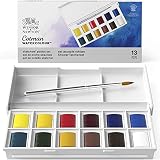
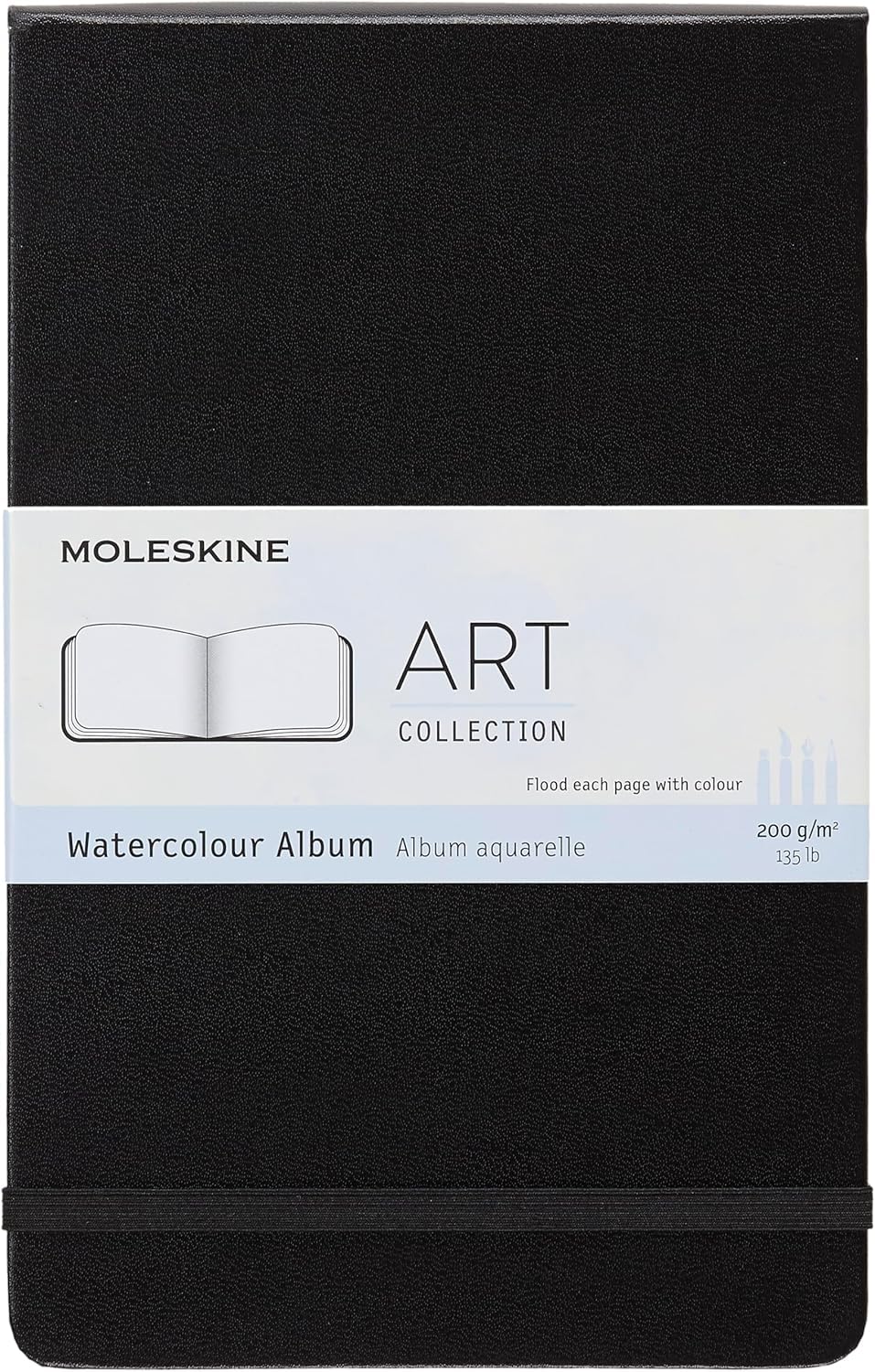
For complete beginners, a single waterproof fineliner paired with a pocket watercolor set and a hardbound A5 sketchbook is universally recommended: this versatile, highly portable setup cures analysis paralysis by offering the perfect balance between quick line studies and color washes without weighing down your daypack.
🛒 3. The Starter Kit & Budget
Curated minimum gear required for day one. No expensive fluff or pro-tier barriers.

ℹ️ RokkuWare is reader-supported. When you buy through links on our site, we may earn an affiliate commission at zero extra cost to you.