🔥 1. The Core Appeal

There is a primal satisfaction in feeling low frequencies vibrate through your chest. The electric bass is the invisible heartbeat of modern music—the vital bridge connecting the kinetic energy of drums with the melodic shimmer of guitars and vocals. Plucking a heavy steel string doesn't just produce a sound; it generates physical weight, establishing the harmonic foundation and setting the rhythmic velocity that dictates how a roomful of people moves.
Unlocking the bass pedal-point and pocket puts you in complete control of a song's momentum. As your fingers develop strength and calluses, muscle memory takes over, allowing you to enter an effortless state of flow where timing becomes second nature. Whether you are laying down steady root notes or weaving syncopated funk lines, playing the bass offers an unmatched combination of visceral physical feedback, structural musical importance, and pure understated cool.
🗺️ 2. The Landscape
Before picking up your first instrument, it helps to understand the foundational body shapes and pickup configurations that define the electric bass landscape. Different setups yield vastly different tactile responses, tonal character, and playability, catering to distinct genres and performance styles.
Precision Bass (Punchy Fundamental Drive)
Featuring a split-coil pickup placed near the center of the body, the 'P-Bass' delivers a warm, woody, and aggressive tone with thick midrange presence. Its wider neck profile provides a solid anchor for heavy fingerstyle plucking and solid rock or soul lines.
Jazz Bass (Versatile Dual-Single Clarity)
Built with two offset single-coil pickups at the neck and bridge positions, the 'J-Bass' offers a slimmer, faster neck contour and a bright, focused tone. It excels at articulate fingerstyle, slap technique, and intricate runs across jazz, funk, and modern pop.
Active Modern Bass (High-Output Precision)
Equipped with onboard battery-powered preamps and humbucking pickups, modern active basses offer extreme tonal shaping directly on the instrument. Their sleek ergonomics and tight string tension cater to metal, modern gospel, and highly technical progressive genres.
For complete beginners, a standard 4-string passive Precision-style or Jazz-style bass with a split-pickup configuration is universally recommended: it provides a classic ergonomic baseline, straightforward controls without battery hassle, and a versatile tone that cures analysis paralysis without locking them into a rigid style.
🛒 3. The Starter Kit & Budget
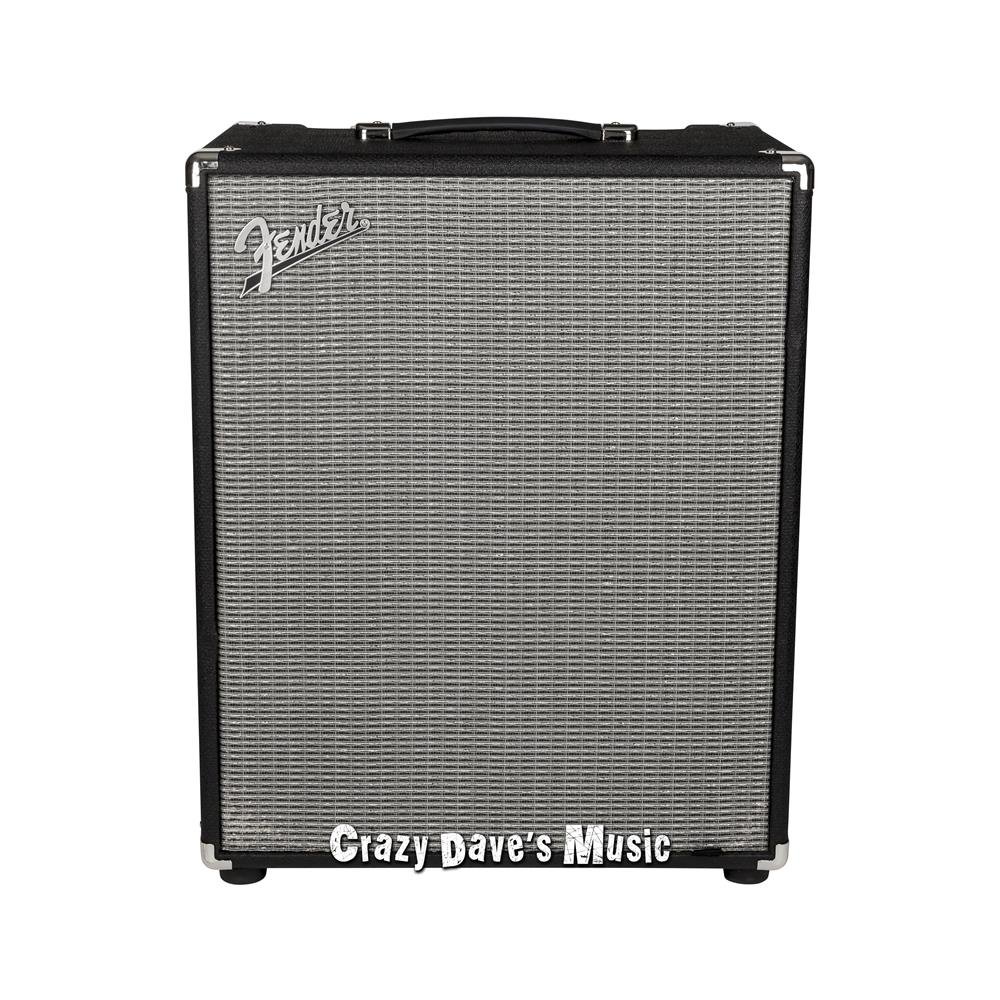
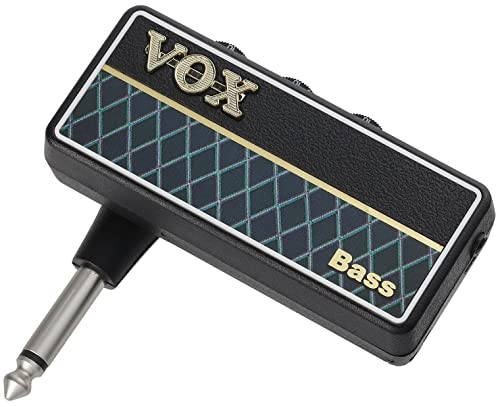
Curated minimum gear required for day one. No expensive fluff or pro-tier barriers.

ℹ️ RokkuWare is reader-supported. When you buy through links on our site, we may earn an affiliate commission at zero extra cost to you.