🔥 1. The Core Appeal

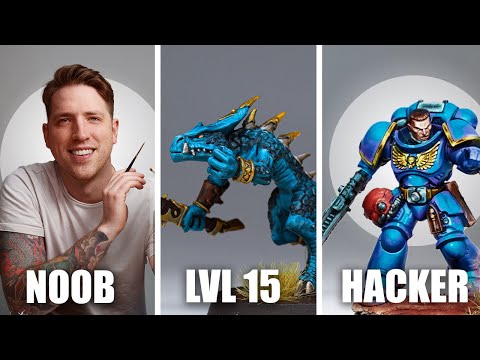
Miniature figure painting transforms tiny gray plastic into vivid, living characters and worlds through the precise application of color, light, and shadow. Holding a tiny sculpted model in your hand as fine brushstrokes bring crisp details to life triggers a unique sense of tactile focus. The initial apprehension of painting micro-scale details quickly gives way to an immersive flow state where outside distractions dissolve, replaced by the satisfying rhythm of thinning paint, loading the brush tip, and watching highlights catch three-dimensional edges.
Beyond the immediate satisfaction of artistic control, this craft offers a grounding mental respite from screens and digital noise. Every completed figure is a tangible artifact of patience and creative skill, serving as a display piece, tabletop gaming hero, or collectible sculpture. Mastering fundamental techniques like drybrushing, layering, and shading grants immediate visual payoff, building confidence and encouraging artistic exploration with every model added to your collection.
🗺️ 2. The Landscape
Before purchasing complex equipment like airbrushes or expansive paint sets, it helps to understand the distinct stylistic paths and scale environments within miniature painting. Each approach dictates brush techniques, color theory applications, and visual finish styles.
Tabletop Gaming Miniatures (High-Contrast & Durability)
Designed for frequent handling on tabletop battleboards, this style prioritizes bold contrast, crisp edge highlighting, and durable protective varnishes. Colors are kept vibrant and shadows deep to ensure details pop from a standing distance on the game board.
Display & Competition Painting (Photorealistic Light & Texture)
Focuses on ultra-smooth volumetric blending, dynamic non-metallic metal (NMM) techniques, and realistic directional lighting effects like zenithal shading. Artists spend dozens of hours on a single scale figure, treating plastic and resin canvases like classical oil paintings.
Dioramas & Scale Modeling (Historical & Environmental Realism)
Blends figure painting with environment building, focusing heavily on weathering effects such as mud, rust, battle damage, and textile wear. Techniques revolve around enamel washes, pigment powders, and muted color palettes that evoke authentic historical or cinematic settings.
For complete beginners, a single tabletop-scale plastic miniature using the classic Base, Wash, and Highlight method is universally recommended: this approach teaches fundamental paint consistency, brush control, and visual contrast without requiring expensive specialized tools.
🛒 3. The Starter Kit & Budget
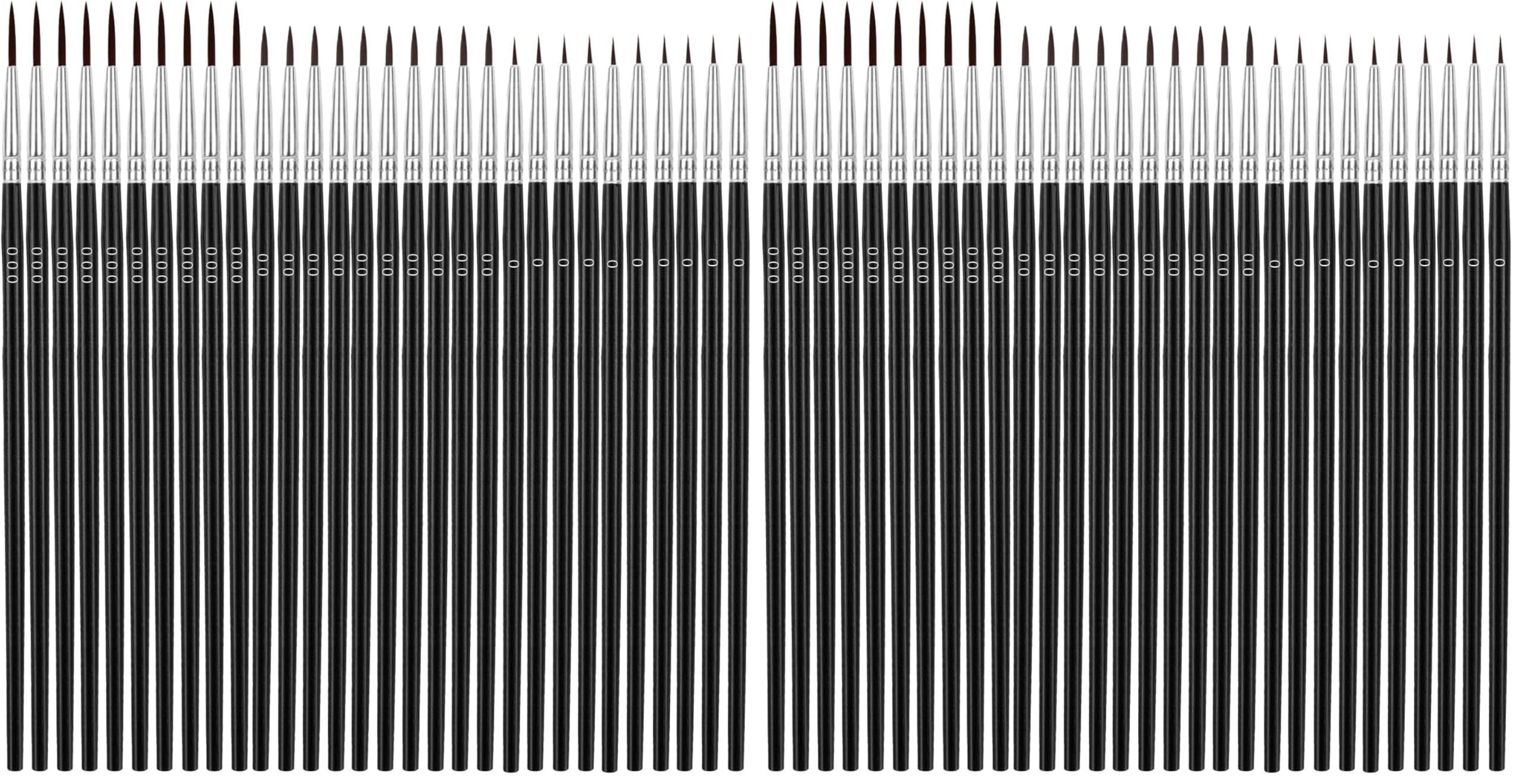
Curated minimum gear required for day one. No expensive fluff or pro-tier barriers.

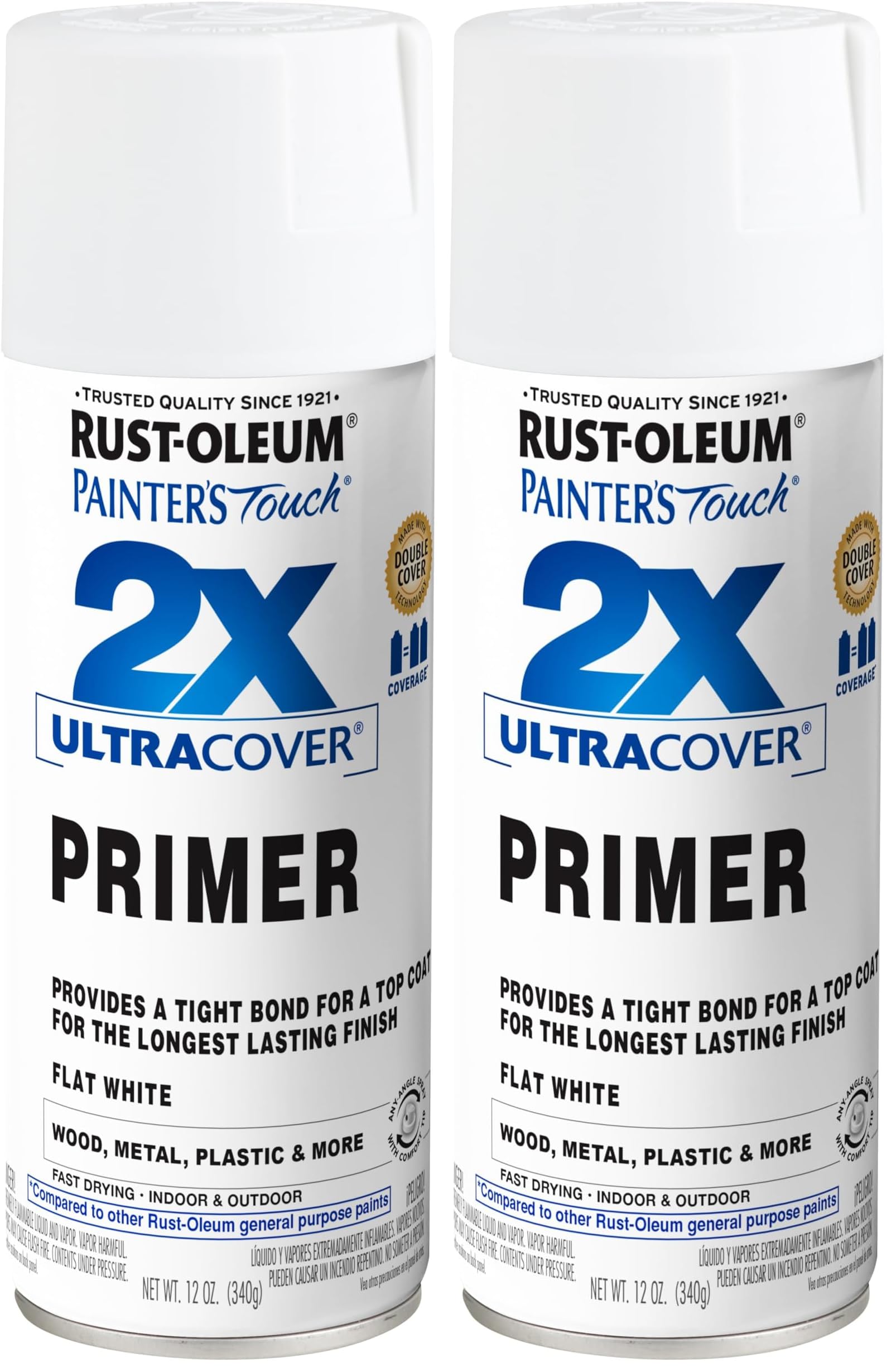
ℹ️ RokkuWare is reader-supported. When you buy through links on our site, we may earn an affiliate commission at zero extra cost to you.