🔥 1. De aantrekkingskracht

At its heart, origami is a tactile conversation between geometry and physical intuition. The crisp snap of a bone folder running down a valley fold, the satisfying alignment of raw paper edges, and the gradual transformation of two-dimensional cellulose into a living shape create a deeply grounding sensory experience. It demands complete presence—a single millimeter off on your initial crease compounds with every subsequent step, turning basic paper handling into an exercise in mindful precision that instantly silences mental noise.
Beyond its meditative quiet, origami delivers a unique form of spatial problem-solving that bridges logic and artistic elegance. Watching a complex crane or geometric polyhedra emerge from a single untouched sheet without scissors or glue feels like performing magic with elementary physics. It offers instant creative gratification using minimal materials, allowing you to build intricate physical worlds right at your desk.
🗺️ 2. Het landschap
Before investing in specialized tools or exotic papers, it helps to understand the distinct traditions and modern branches of paper folding. While all origami relies on creases and geometry, different disciplines prioritize structural realism, mathematical symmetry, or fluid artistic expression.
Traditional Origami (Geometric Simplicity and Iconography)
Focuses on classic models like cranes, frogs, and boxes using a single uncut square sheet of paper. Creases are sharp, steps are sequential, and models emphasize elegant representations of natural forms through minimal folds.
Modular & Unit Origami (Mathematical Geometry and Symmetry)
Involves folding multiple identical units of paper and interlocking them without glue to assemble complex 3D polyhedra and stars. The focus is on pattern replication, precise interlocking tabs, and sturdy architectural balance.
Wet-Folding Origami (Organic Sculpting and Fluid Curves)
Utilizes dampened, thick rag paper to curve edges and sculpt smooth, organic animal forms rather than rigid geometric creases. As the paper dries, it locks the three-dimensional curves in place, giving the finished piece a sculpted, realistic life.
Tessellations & Action Origami (Mechanical Patterns and Dynamic Motion)
Explores repeating geometric crease patterns that collapse into flat sheets or dynamic interactive models that move, flap, or spring when pressed. It relies heavily on grid alignment, patience, and pre-creasing techniques.
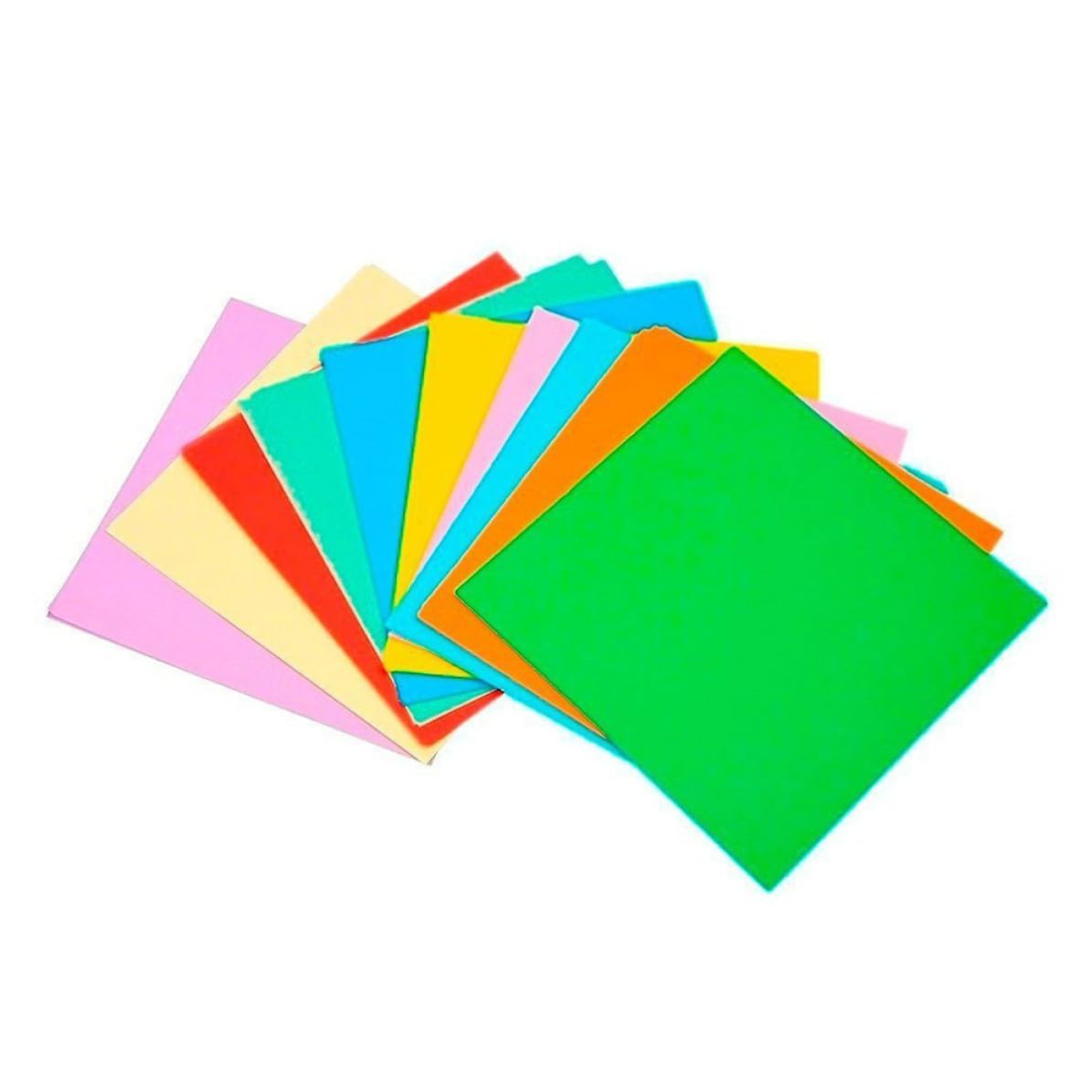
For complete beginners, standard 15x15 cm kami paper and classic traditional models are universally recommended: starting with dual-color squares provides immediate visual feedback on mountain versus valley folds, eliminating confusion without requiring expensive specialty papers.
🛒 3. Starterkit & budget
De absolute basis voor dag één. Geen dure poespas of onnodige drempels.


ℹ️ RokkuWare wordt ondersteund door lezers. Bij aankopen via links kunnen we een commissie ontvangen, zonder extra kosten voor jou.