
🔥 1. De aantrekkingskracht

Field birdwatching fundamentally alters how you perceive the outdoors. The world instantly shifts from a backdrop of generic green foliage into a vibrant, multi-layered ecosystem bursting with subtle movements, distinct calls, and complex animal behaviors. Stepping into the field with binoculars forces a meditative slowing down—a sensory recalibration where your vision locks onto micro-movements in the canopy and your hearing attunes to overlapping frequencies of song. It transforms an ordinary stroll through a city park or forest trail into an active, rewarding scavenger hunt.
Beyond the psychological tranquility of quiet forest immersion, birdwatching yields a deep feeling of discovery and environmental literacy. Learning to read physical field marks, flight silhouettes, and seasonal migration patterns builds an intuitive blueprint of the natural world. Every outing offers the thrill of potential lifers—species you have never encountered before—creating a lifelong habit of curiosity that keeps you perpetually connected to the living world right outside your doorstep.
🗺️ 2. Het landschap
Before purchasing expensive spotting scopes or long camera lenses, it helps to understand that field birdwatching spans several distinct environments, each requiring slightly different optics, observation styles, and patience thresholds.
Local Patch Birding (Everyday Park & Suburban Exploration)
Focuses on mastering native, resident bird species within accessible local green spaces using lightweight hand-held binoculars. Optics with a wide field of view make tracking fast-moving songbirds in dense foliage quick and effortless.
Wetland & Shorebirding (Open-Water & Tidal Flat Observation)
Focuses on identifying distant waterfowl, waders, and gulls across wide open spaces where birds remain relatively stationary. This style often favors higher-magnification optics or spotting scopes to resolve fine feather patterns at extreme distances.
Forest & Canopy Birding (Auditory Tracking & Deep-Cover Scanning)
Focuses on locating elusive, canopy-dwelling species primarily through ear-birding and song recognition. It requires intense visual patience, dark-forest light sensitivity in optics, and quick binocular alignment through dense branches.
For complete beginners, an 8x42 roof-prism binocular setup paired with a digital field guide is universally recommended: this versatile, mid-size optic provides a wide field of view and bright image quality that cures analysis paralysis without locking them into a rigid style.
🛒 3. Starterkit & budget
De absolute basis voor dag één. Geen dure poespas of onnodige drempels.

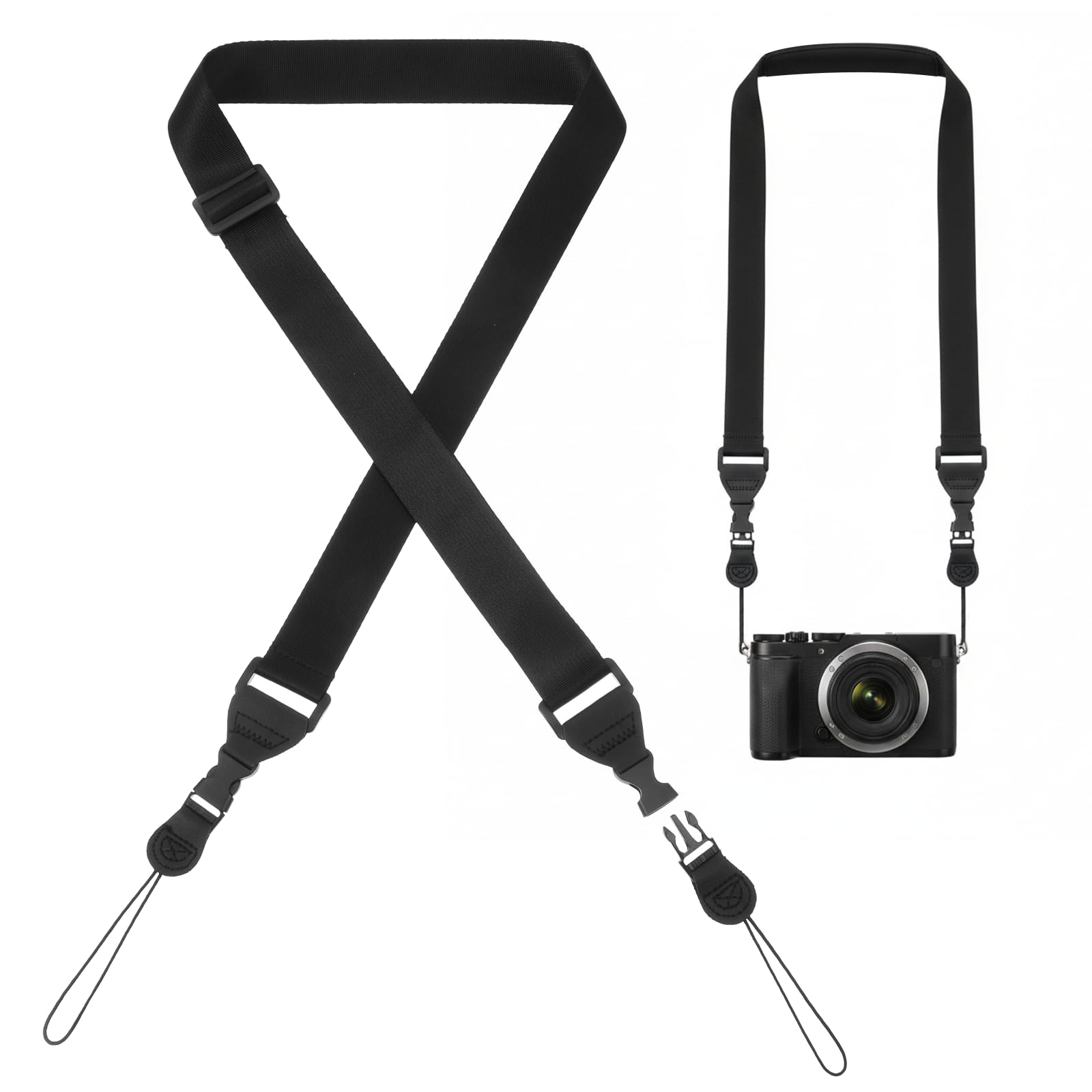

ℹ️ RokkuWare wordt ondersteund door lezers. Bij aankopen via links kunnen we een commissie ontvangen, zonder extra kosten voor jou.