🔥 1. Il fascino principale

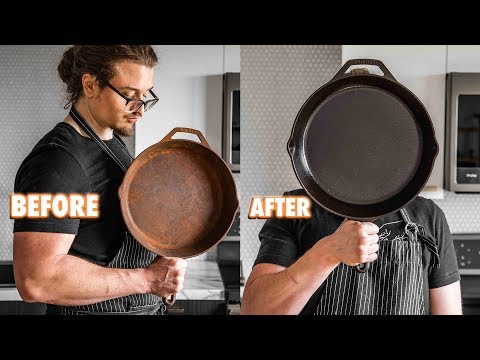
There is a profound, almost alchemical satisfaction in taking a pitted, orange-rusted skillet rescued from a dusty barn sale and resurrecting it into a sleek, pitch-black piece of functional art. Stripping away decades of burnt gunk and oxidation exposes raw, vintage iron—smooth, heavy, and full of history. The process grounds you in slow, tactile craftsmanship that requires mechanical effort, basic chemistry, and patient observation rather than digital shortcuts.
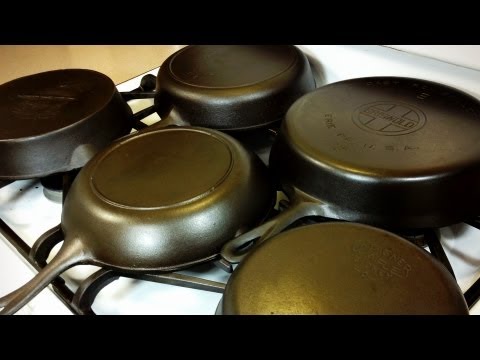
The magic climaxes during the seasoning phase, where thin layers of fat baked at high temperatures cross-link into a natural, non-stick polymer glaze. Watching a matte gray pan shift into a warm bronze and finally settle into obsidian black provides an immensely rewarding high. Beyond the visual transformation lies the ultimate payoff: cooking high-sear steaks and sliding delicate eggs across iron you restored with your own hands.
🗺️ 2. Il panorama
Before hunting down vintage pans or building chemical strip vats, it is vital to understand the primary restoration and seasoning methods used to recover cast iron.
Chemical Stripping with Lye ([Maximum Buildup Removal])
This technique uses sodium hydroxide to dissolve rock-hard organic carbon accumulation and ancient oils without degrading the underlying metal, requiring protective rubber gloves and a dedicated soak container. The iron emerges stripped down to bare grey metal, cleanly revealing all original factory grinding marks or hidden rust underneath.
Electrolysis Rust Removal ([Precision Electrochemical Cleaning])
Utilizing a low-voltage DC power supply, a sacrificial steel anode, and a washing soda bath, this method uses electric current to gently lift oxidation from complex iron geometries. It reaches deep into surface pitting and intricate manufacturer logos without any physical scraping or abrasive wear.
Abrasive Scrubbing & Acid Etching ([Low-Tech Manual Restoration])
Relying on wire wool, chainmail, and brief diluted vinegar baths, this hands-on approach removes mild flash rust and loose flakes purely through manual elbow grease. It requires strict timing and constant supervision so the mild acid removes rust without pitting the bare metal.
Heat-Polymerization Seasoning ([Non-Stick Coating Creation])
The foundational finishing discipline involves applying microscopically thin coats of high-smoke-point oil and baking the vessel past its smoke point to chemically bind fat molecules to the iron matrix. Mastering uniform heat distribution and ultra-thin oil application prevents sticky, splotchy residue.
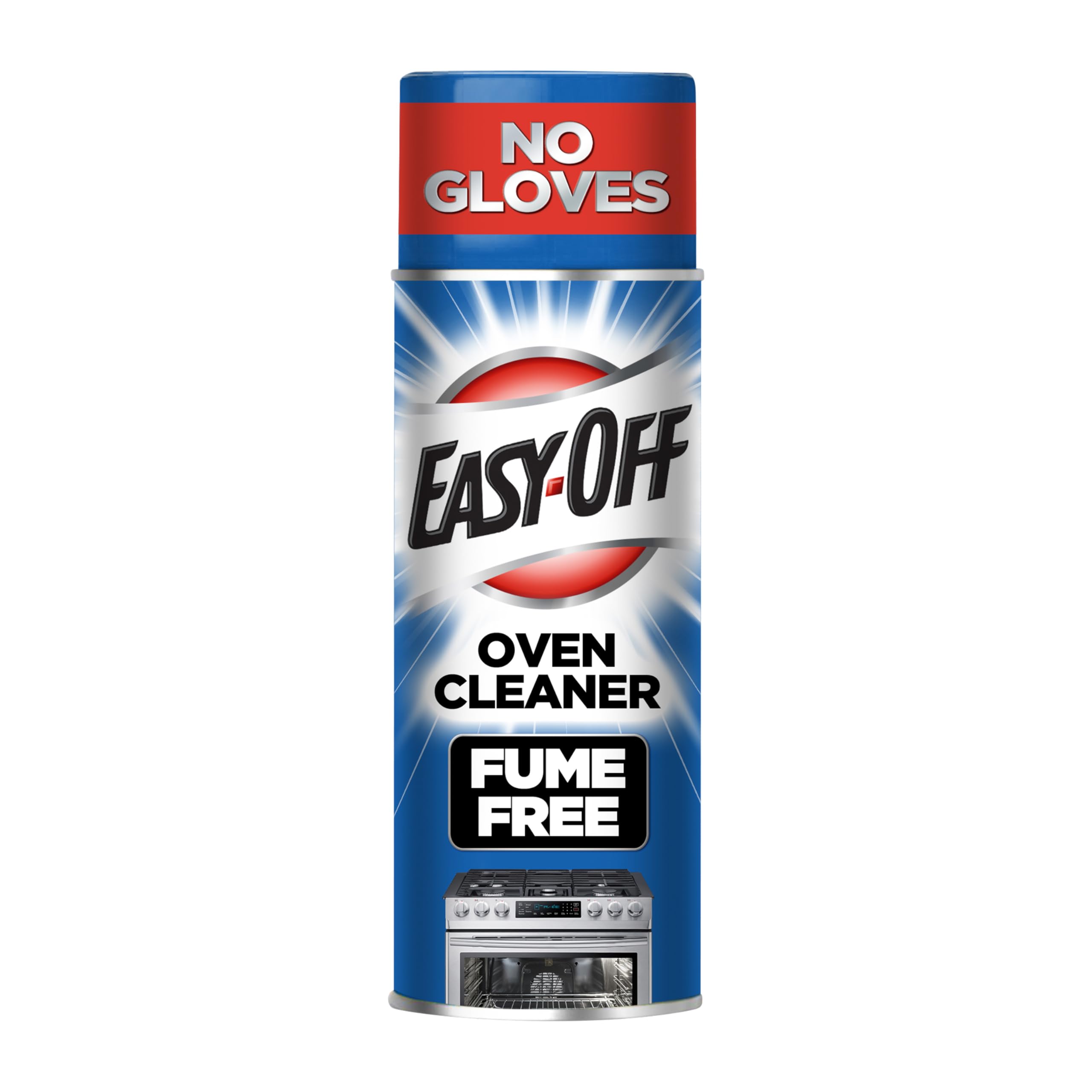
For complete beginners, the Easy-Off Spray & Vinegar Scrub method is universally recommended: this budget-friendly, low-equipment approach lets you dissolve heavy carbon buildup inside a trash bag using lye-based oven cleaner and clear surface rust with household vinegar without setting up electro-tanks or buying specialized tools.
🛒 3. Kit iniziale & budget
Il minimo indispensabile per il primo giorno. Niente spese superflue né barriere.


ℹ️ RokkuWare è supportato dai lettori. Quando acquisti tramite i link, potremmo ricevere una commissione senza alcun costo aggiuntivo.