🔥 1. El atractivo principal

Leathercraft is a deeply tactile discipline that connects you directly to traditional tradecraft, where raw organic material turns into heirloom-quality gear through disciplined effort. The tactile sensory experience—from the rich, earthy scent of vegetable-tanned leather under your hands to the rhythmic click of a sharp knife slicing through dense grain—anchors you in a state of deep, focused presence. Unlike fast mass production, every mark, burnish, and stitch you lay down carries intention, aging beautifully over time with a unique patina that records your journey as a maker.
Beyond the aesthetic rewards, leatherworking builds an intoxicating rhythm of problem-solving and manual dexterity. Beveling edges, setting brass rivets, and pulling two needles back and forth in a crisp saddle stitch induces a meditative flow state where modern digital distractions vanish. Finishing a hand-stitched wallet or cardholder delivers an unmatched sense of quiet pride, knowing you have built something durable, functional, and striking entirely by hand.
🗺️ 2. El panorama
Before acquiring a heavy workbench or expensive specialty machinery, it is important to understand that leatherwork is broadly split into techniques based on leather weight, tanning methods, and stitching philosophies. Understanding these core styles helps you select the right hand tools and materials without getting overwhelmed by commercial machinery.
Small Goods & Fine Leatherwork (Precision Hand-Stitching & Edge Finishing)
Focuses on refined personal accessories like minimalist wallets, watch straps, and cardholders using thin vegetable-tanned or chrome-tanned leathers. It relies on meticulous pricking irons, fine waxed thread, and careful edge burnishing to create sleek, high-grade items.
Heavy Goods & Saddlery (Structural Durability & Hand Riveting)
Built around thick full-grain hides designed to endure harsh daily use, such as belts, holsters, boots, and heavy bags. This style prioritizes robust saddle stitching, heavy harness needles, solid brass hardware, and structural strength above delicate finishing.
Tooling & Carving (Artistic Relief & Stamping)
Centers on transforming veg-tan leather surfaces into sculptural relief art using swivel knives, geometric stamps, and bevelers before dyeing. This discipline emphasizes illustrative craftsmanship and patience, making it a popular avenue for custom Western designs and decorative panels.
For complete beginners, a minimalist small goods setup focusing on 3-4 oz vegetable-tanned leather is universally recommended: starting with simple cardholders allows you to master straight cuts, pricking iron alignment, and basic saddle stitching without the costly material waste or complex pattern assembly of larger projects.
🛒 3. Kit inicial y presupuesto
Mínimo equipo indispensable para el día uno. Sin gastos superfluos ni barreras.

Juego de Tenedores de Diamante para Costura en Cuero de 4 mm (2 y 6 Puntas)
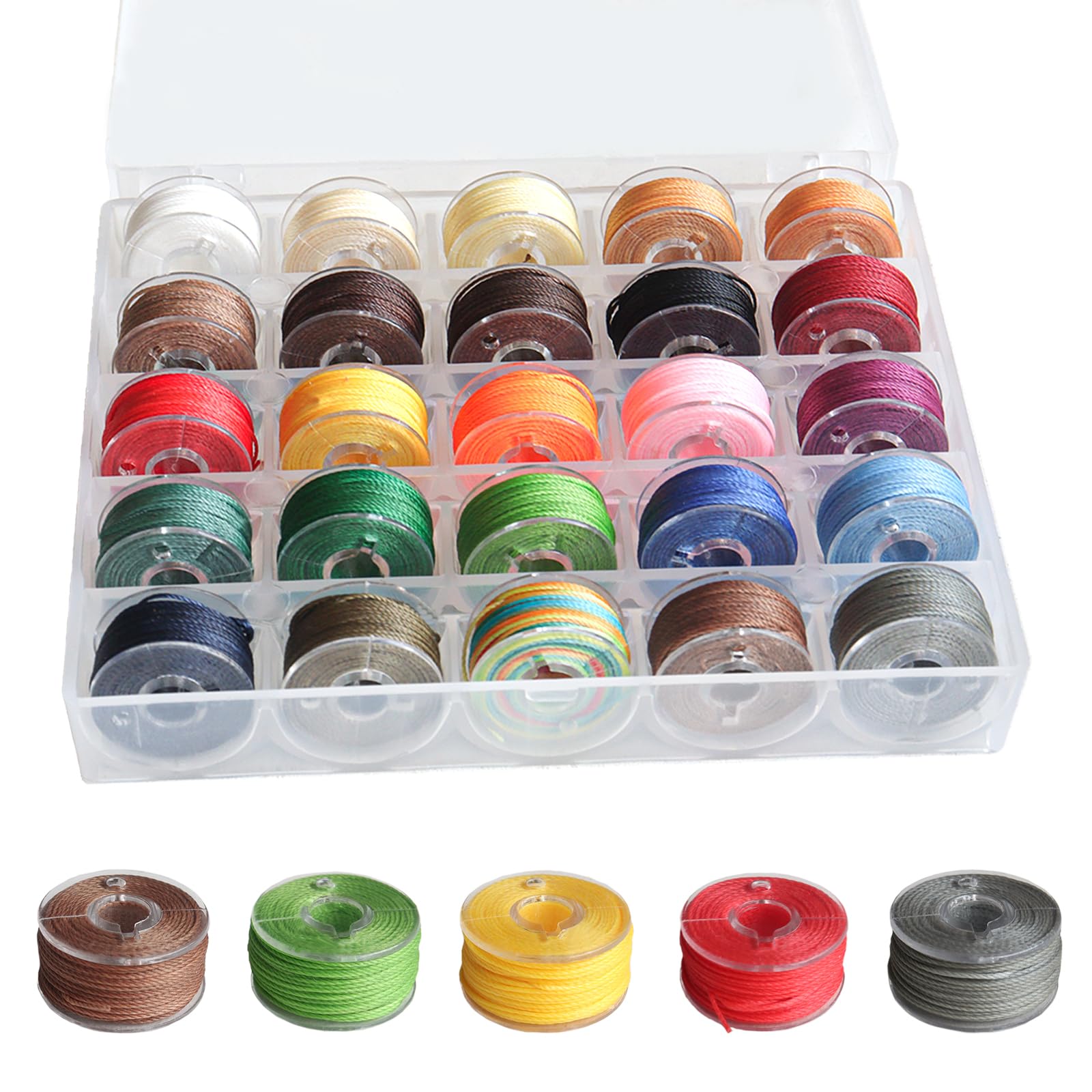
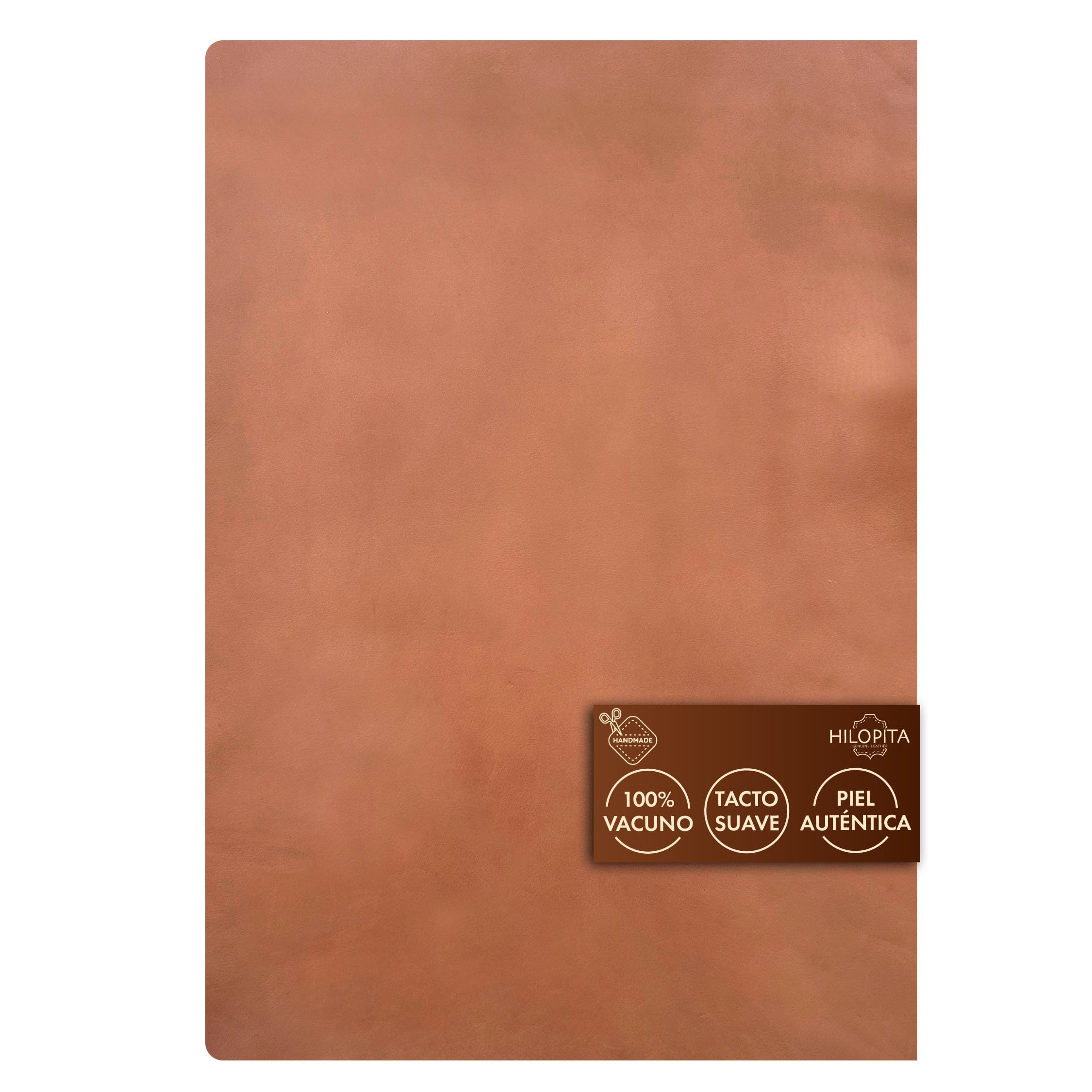
ℹ️ RokkuWare se financia a través de sus lectores. Al comprar mediante enlaces, podemos recibir una comisión sin coste adicional para ti.