
🔥 1. El atractivo principal

Deep sky astrophotography is a humbling blend of technical precision and artistic wonder, offering a personal bridge between your backyard and the far reaches of the cosmos. Standing under a quiet night canopy while your setup silently tracks light emitted when dinosaurs walked the Earth triggers a profound sense of temporal shift. There is an irreplaceable thrill in watching faint, invisible photons accumulate on a digital sensor, suddenly revealing vibrant stellar nurseries, glowing nebulae, and spiraling galaxies invisible to the naked eye.
The psychological flow state comes from the delicate synergy of field operations and modern digital processing. Calibrating polar alignment, managing gear under cold, clear skies, and troubleshooting hardware demands present-moment focus that strips away everyday stress. Back at the computer, stacking exposure frames transforms raw noise into ethereal cosmic structure, rewarding patience with breathtaking visual evidence of our universe's vast, quiet beauty.
🗺️ 2. El panorama
Before purchasing expensive cooled dedicated astronomy cameras and massive equatorial mounts, it helps to understand how different deep-sky setups target varying scales of celestial objects. Your choice of focal length and tracking stability dictates whether you capture sprawling dust clouds or tiny distant galaxies.
Widefield Star Tracker Imaging (Mobility & Sprawling Nebulae)
Utilizing a portable single-axis star tracker with standard camera lenses (50mm to 135mm), this approach captures sweeping galactic regions like Orion or the Milky Way core. It features high portability, minimal wind resistance, and quick setup times, making it ideal for dark-sky road trips.
Compact Refractor Setup (Detailed Nebulae & Star Clusters)
Pairing a small 60mm to 80mm ED triplet refractor telescope with a dual-axis equatorial mount provides focal lengths around 300mm to 500mm. This configuration offers razor-sharp edge-to-edge pinpoint stars and beautiful framing for medium-sized nebulae without excessive weight.
Long-Focal Length Reflectors & SCTs (Small Galaxies & Planetary Nebulae)
Using Schmidt-Cassegrain or Ritchey-Chrétien optical tubes exceeding 1000mm focal length, this discipline targets tiny distant target fields like the Whirlpool Galaxy. It requires heavy-duty mounts, active autoguiding systems, and precise collimation, resulting in high technical complexity.
For complete beginners, a portable motorized star tracker with a fast 135mm prime lens and DSLR is universally recommended: this versatile combination eliminates the extreme alignment friction and cost of heavy telescopes while teaching essential tracking, focusing, and framing techniques.
🛒 3. Kit inicial y presupuesto
Mínimo equipo indispensable para el día uno. Sin gastos superfluos ni barreras.

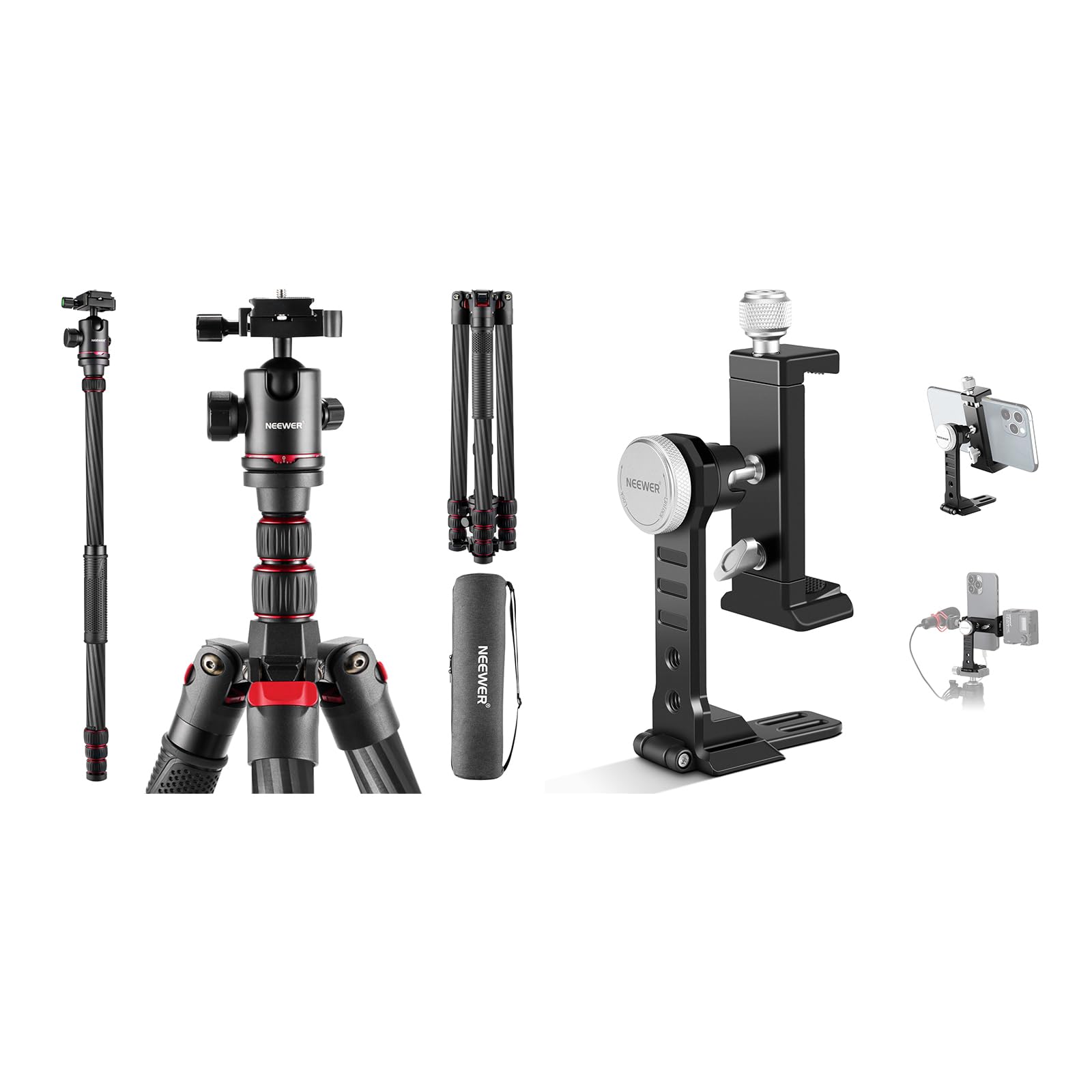
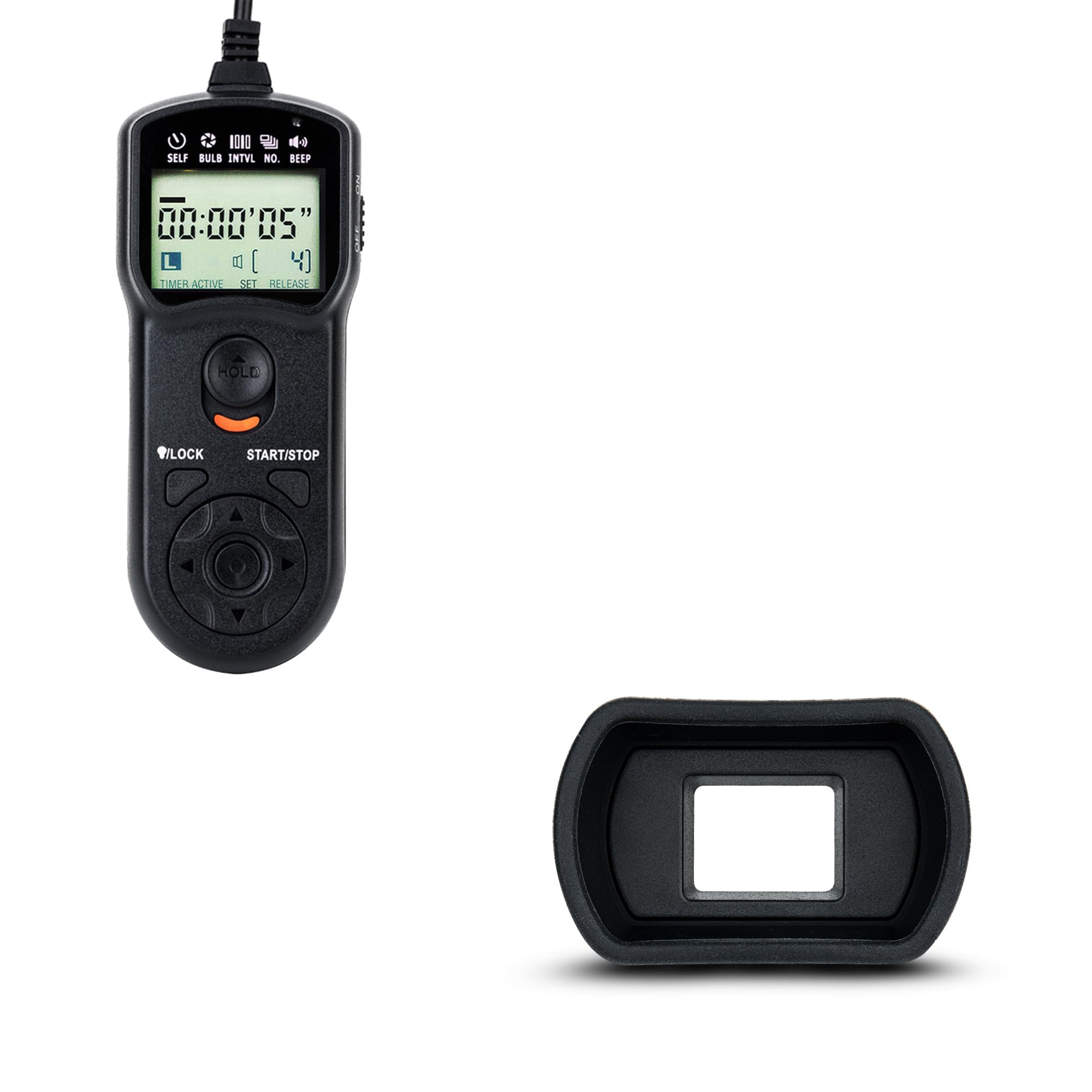
ℹ️ RokkuWare se financia a través de sus lectores. Al comprar mediante enlaces, podemos recibir una comisión sin coste adicional para ti.

![Astrophotography Equipment: Beginner Setup [Deep Sky]](https://i.ytimg.com/vi/8Z9YssmGruQ/hqdefault.jpg)