🔥 1. The Core Appeal

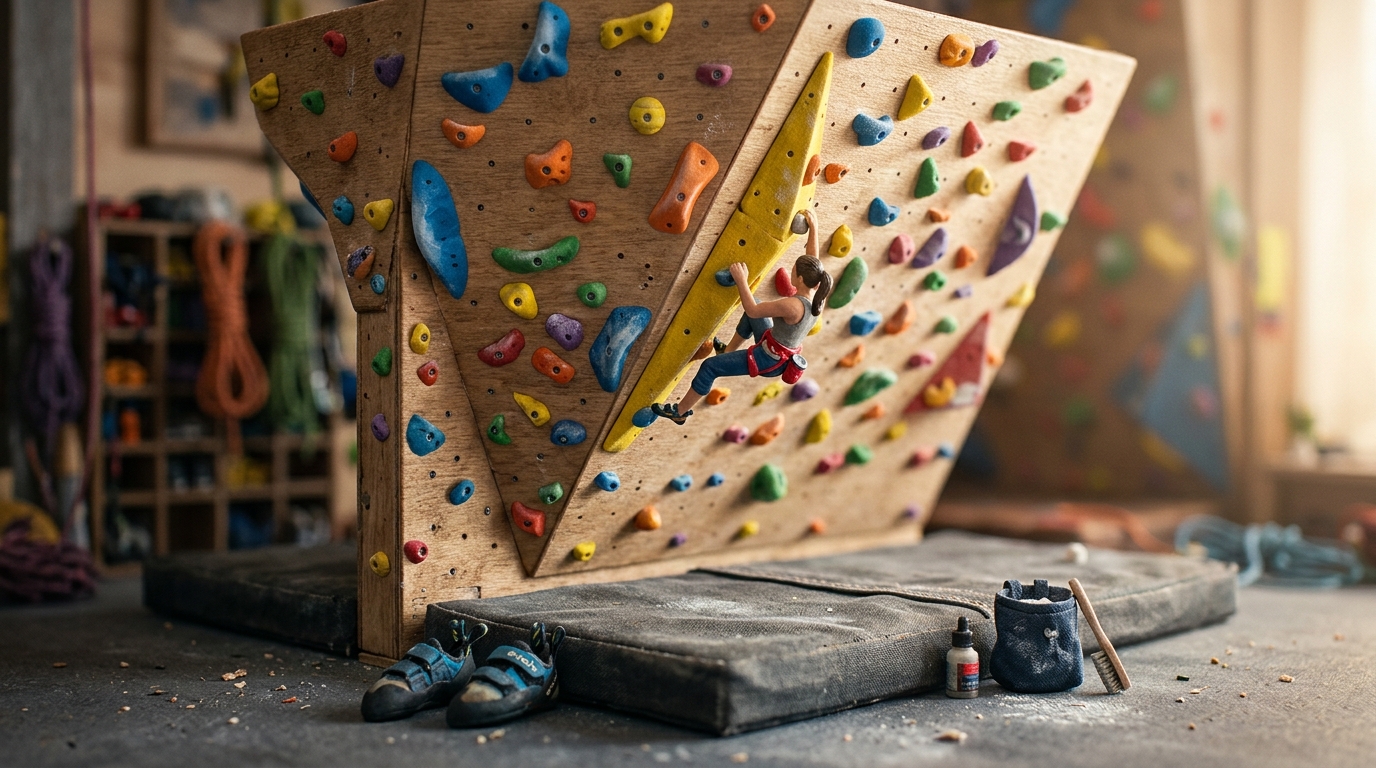
Indoor bouldering strips climbing down to its purest essence: short, intense routes called 'problems' set over thick safety mats. The visceral pull hits the moment your chalked hands press against textured resin holds. Every route demands a unique blend of core tension, grip strength, balance, and spatial awareness, turning standard physical exertion into an addictive dance against gravity. You aren't just working out; you are actively engaging with a tangible physical obstacle.
Beyond the physical challenge lies a profound mental flow state. Bouldering operates like bodily chess—you must decipher sequences of balance, hip alignment, and momentum generation to unlock each problem. The immediate feedback loop of falling, adjusting your technique, and finally reaching the top hold delivers an incredible surge of dopamine. Paired with a welcoming, highly social gym culture where strangers routinely cheer on each other's attempts, bouldering offers an exceptionally rewarding mix of athleticism and community.
🗺️ 2. The Landscape
Before investing in specialized footwear or dynamic training gear, it helps to understand the varied wall angles and movement styles you will encounter on gym routes.
Overhang & Cave Climbing (Power & Core Dynamics)
Set on steep walls angled between 30 to 60 degrees overhang where gravity continuously pulls your torso away from the grips. Demands intense core tension, powerful pulling strength, and aggressive toe-hooking to keep your weight glued to the wall.
Slab Climbing (Balance & Friction Control)
Executed on low-angle walls sloping backward away from vertical, resting the vast majority of your weight directly over your feet. Demands extreme trust in rubber friction, precise foot placement, delicate weight distribution, and calm mental composure.
Dynamic & Competition Style (Parkour & Momentum)
Features modern, large-volume holds requiring explosive multi-step jumps, dynamic lateral lunges, and coordination dynos. Focuses heavily on athletic power, rhythm, and parkour-inspired aerial body control.
Vertical Technical Climbing (Precision & Footwork)
Set on flat, 90-degree vertical walls that rely on intricate edge work and subtle hip positioning. Demands methodical balance shifts, finger-pocket precision, and high spatial efficiency over brute strength.
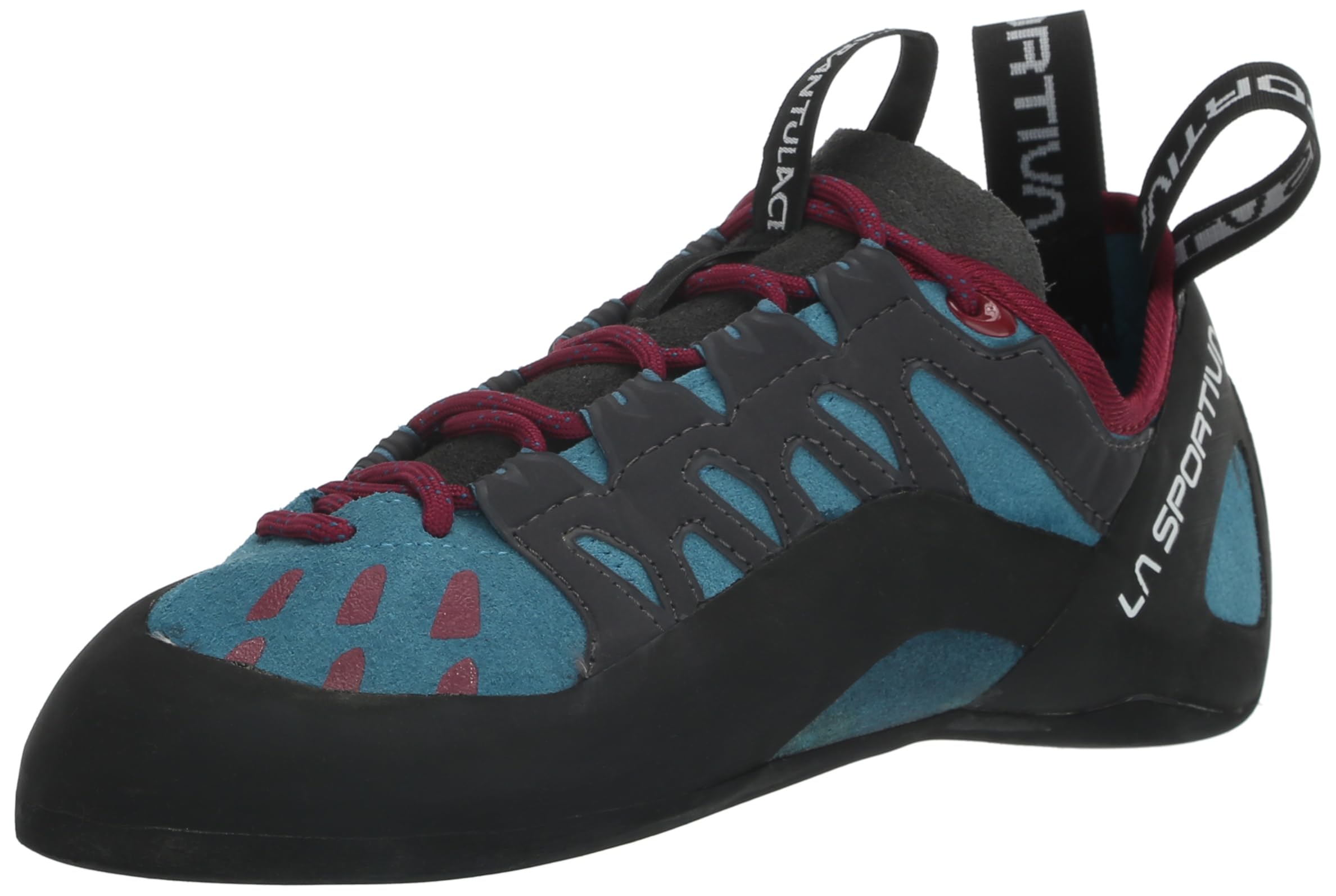
For complete beginners, renting standard entry-level climbing shoes and chalk at a local gym is universally recommended: this approach removes setup cost friction, allowing you to sample every wall geometry and determine your ideal shoe fit before purchasing personal gear.
🛒 3. The Starter Kit & Budget
Curated minimum gear required for day one. No expensive fluff or pro-tier barriers.


ℹ️ RokkuWare is reader-supported. When you buy through links on our site, we may earn an affiliate commission at zero extra cost to you.