
🔥 1. The Core Appeal

Bonsai is the meditation of slowing down, a living intersection between sculpture, botany, and time itself. As your hands work with raw branches, feeling the tactile resistance of wood and the damp earthiness of soil, the chaotic noise of modern life quietly fades away. It invites you into a deep flow state where decisions are measured in seasons rather than seconds, cultivating a profound sense of mindfulness and tactile connection with nature.
Beyond the peaceful routine, the true magic lies in the subtle artistic control over living matter. Every directional wire bend, root trim, and leaf pinch shapes a unique, living story that evolves over years. Watching a miniature tree respond to your deliberate care—pushing out fresh green buds in spring—offers a deep sense of personal pride and a rare, quiet sanctuary right on your windowsill or patio.
🗺️ 2. The Landscape
Before acquiring specialized tools, it is crucial to understand that bonsai is defined by stylistic forms and species climate needs rather than a single rigid technique. Trees are living organisms first, meaning outdoor deciduous or coniferous species require natural winter dormancy, while tropical species thrive indoors under controlled lighting. Understanding how tree architecture mimics full-sized ancient specimens in nature will guide your stylistic decisions.
Formal Upright (Chokkan) (Symmetry and Balance)
Characterized by a perfectly straight, tapering trunk and evenly spaced, balanced branches that mimic a solitary forest giant growing without wind interference.
Informal Upright (Moyogi) (Natural Rhythm)
Features a gently curving trunk with natural s-bends and asymmetrical branching that reflects how trees adapt to light and weather in the wild.
Windswept (Fukinagashi) (Dramatic Elements)
Simulates the brutal force of persistent coastal winds, training all branches and growth strictly to one direction as if enduring a constant storm.
Semi-Cascade (Han-Kengai) (Cliffside Resilience)
Emulates trees clinging to mountain ledges, where the main apex or branches reach down below the rim of the pot while maintaining a grounded trunk structure.
For complete beginners, a ficus retusa or juniper starter stock in an informal upright style is universally recommended: this forgiving setup tolerates initial wiring and pruning mistakes while teaching you the core mechanics of root care, moisture monitoring, and silhouette maintenance without risking a fragile specimen.
🛒 3. The Starter Kit & Budget
Curated minimum gear required for day one. No expensive fluff or pro-tier barriers.

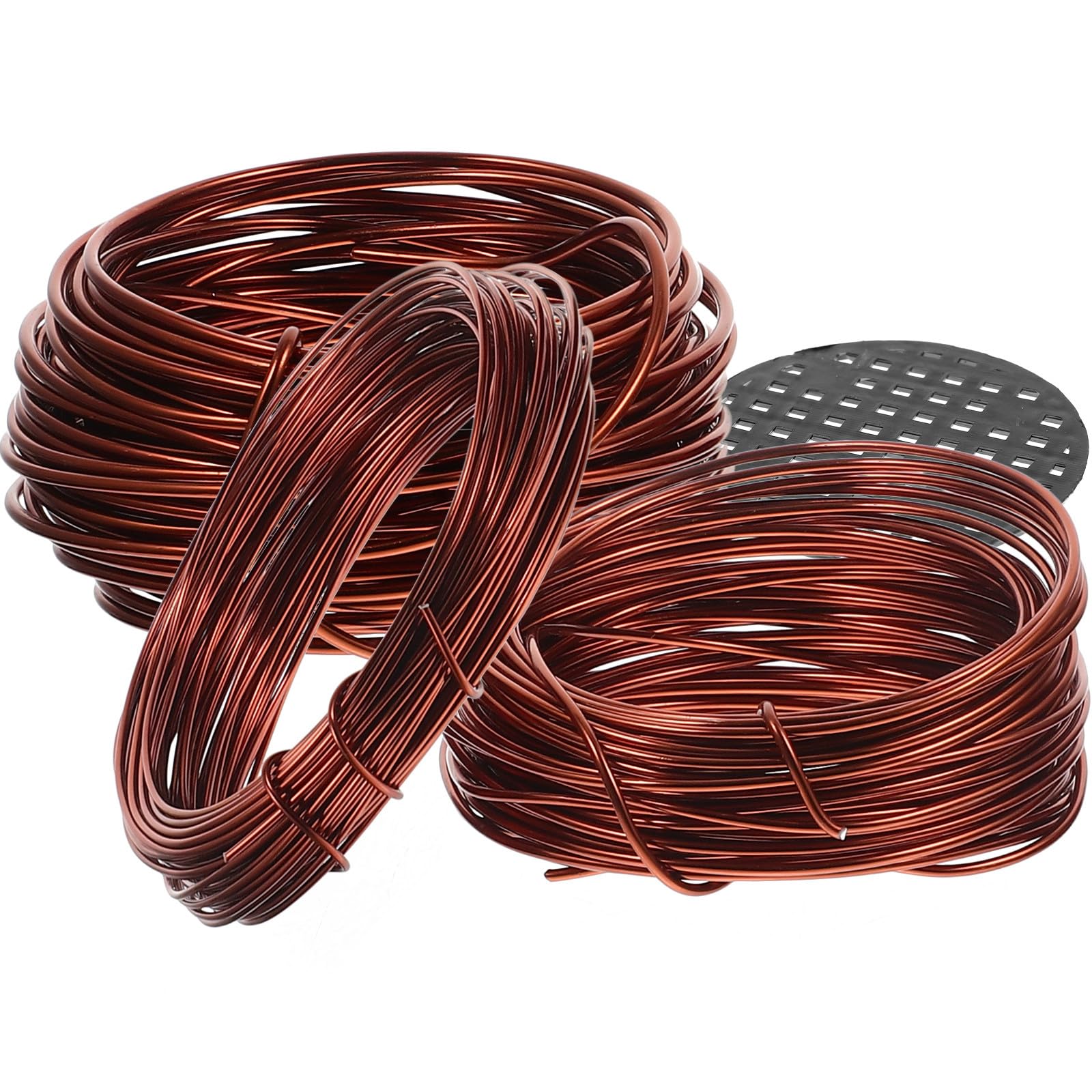

ℹ️ RokkuWare is reader-supported. When you buy through links on our site, we may earn an affiliate commission at zero extra cost to you.