🔥 1. Der Reiz

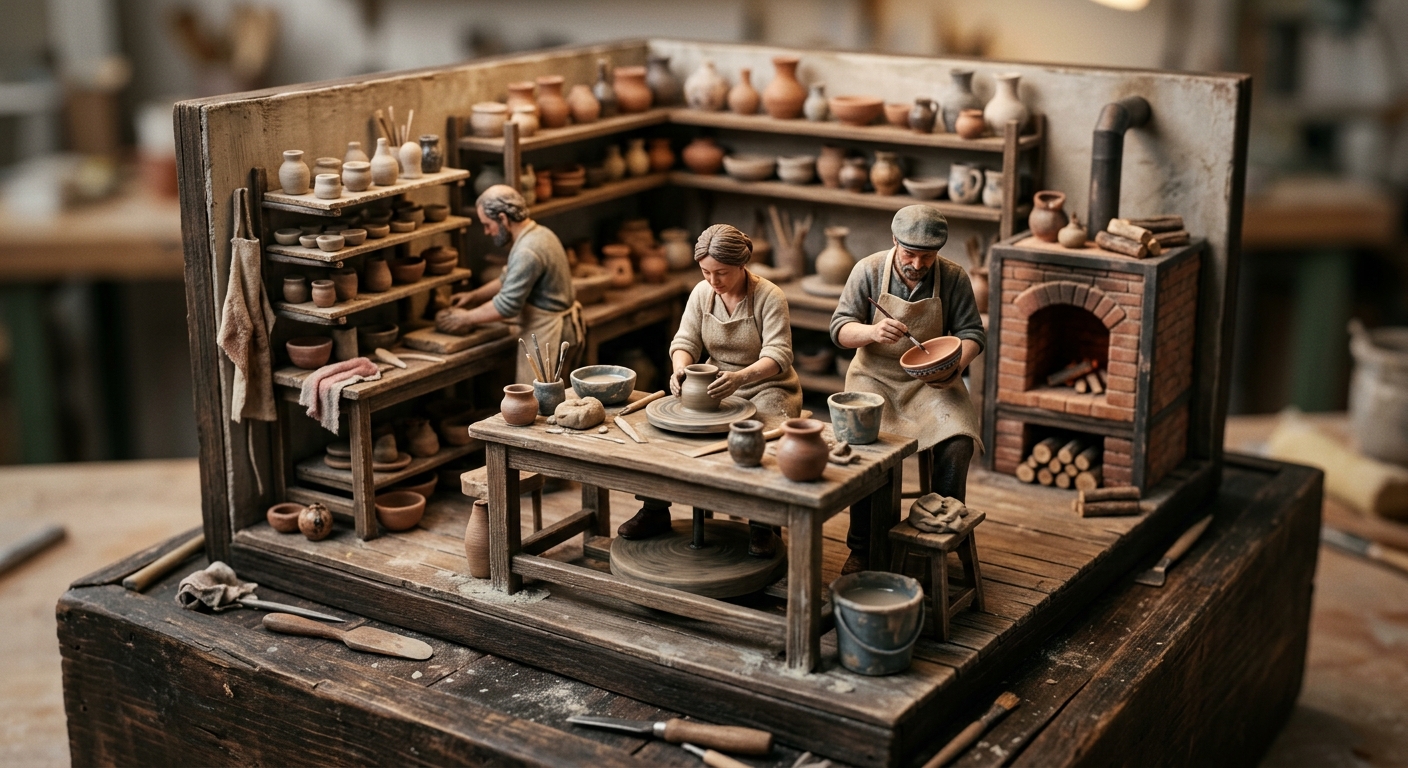
Hand built ceramics offers a deeply tactile escape from the friction-free, screen-dominated modern world. The moment cool, damp clay touches your palms, you are forced into immediate physical presence. Every press of a thumb and drag of a rib knife leaves an indelible signature on the medium. This direct contact creates a grounding feedback loop: the material demands patience, steady breathing, and focused awareness, shifting your brain into a soothing, meditative state of creative flow.
Beyond the therapeutic process lies the quiet thrill of permanent transformation. Watching a soft, malleable block of earth harden into structural forms—and eventually fire into durable stone—feels almost alchemy-like. Building your own mugs, bowls, and decorative vessels connects you to thousands of years of human craftsmanship, yielding functional pieces that carry personal weight, character, and story into your daily rituals.
🗺️ 2. Die Landschaft
Before spending money on expensive electric wheels or specialized high-heat kilns, understanding hand-building allows you to manipulate clay directly without mechanical intervention. This tactile mastery forms the core foundation of all ceramic arts.
Pinch Pottery (Organic Form & Intuitive Sculpture)
This fundamental technique relies on rhythmic pinching of a clay ball from the center outward to build balanced walls. It requires zero machinery, giving makers total tactile feedback over wall thickness and subtle organic contours.
Coil Construction (Architectural Height & Structural Vessels)
By rolling long, uniform snakes of clay and scoring them together in stacked rings, artists build tall, complex vessels like vases and pitchers. It allows incredible control over silhouette expansion and structural integrity without a spinning wheel.
Slab Building (Architectural Precision & Geometric Homeware)
Rolling clay into flat, uniform sheets creates structural panels that can be cut, folded, and joined into clean geometric forms like mugs, boxes, and dinnerware plates. It provides a structured, template-driven workflow ideal for precise, modern ceramics.
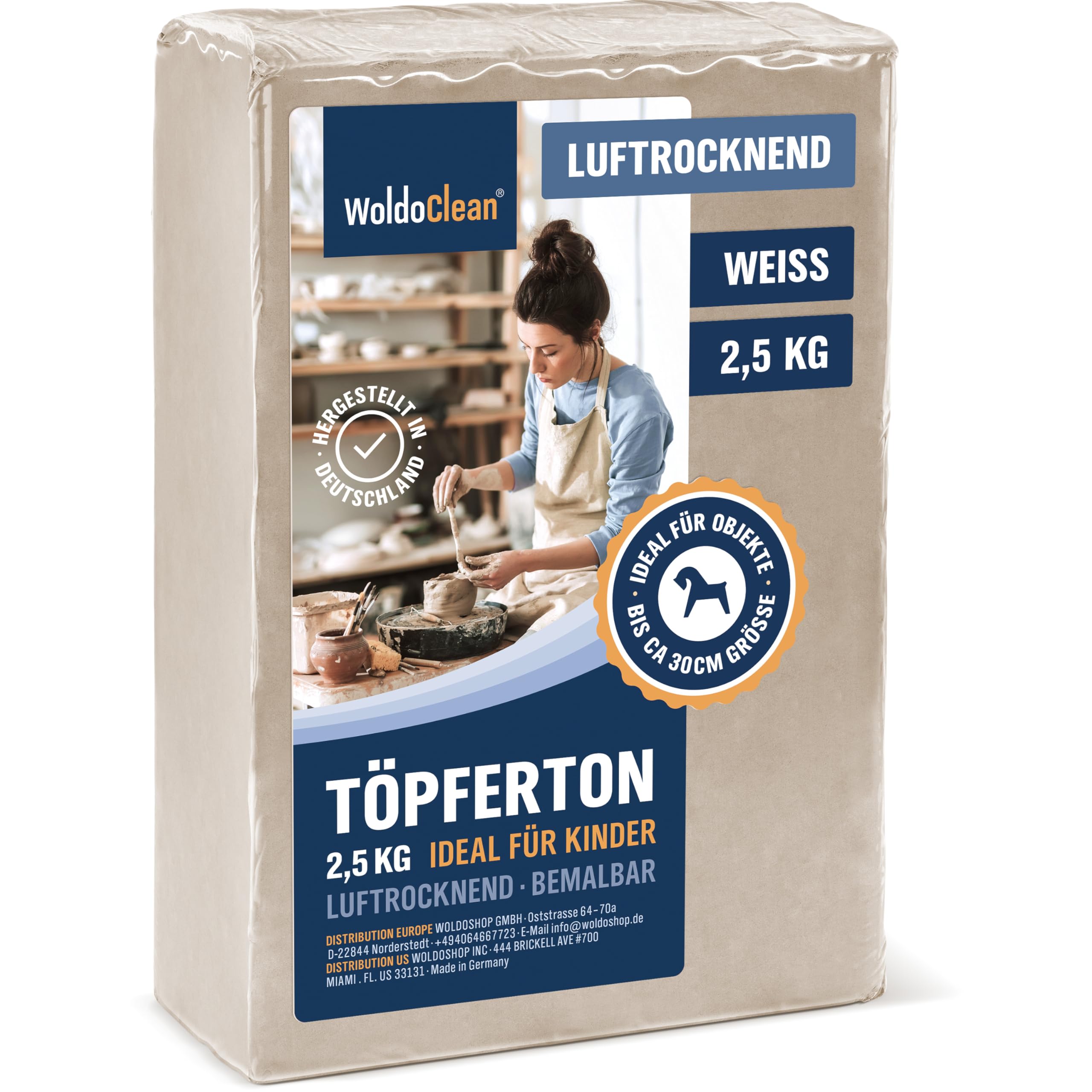
For complete beginners, starting with self-hardening air-dry clay or low-fire earthenware paired with pinch and coil methods is universally recommended: this approach eliminates kiln-access barriers, keeps gear costs low, and immediately teaches vital lessons in moisture control, wall balance, and joinery mechanics.
🛒 3. Starter-Kit & Budget
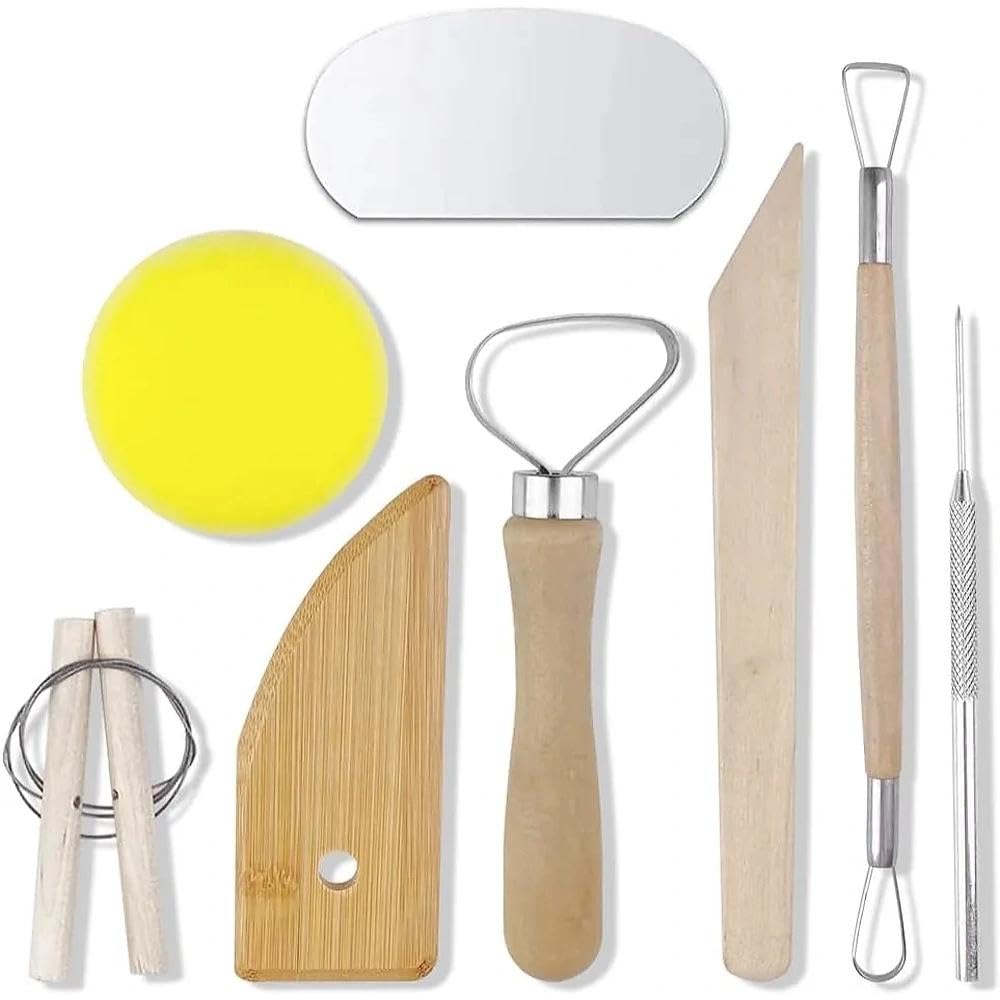
Sorgfältig ausgewählte Mindestausrüstung für Tag 1. Kein teurer Schnickschnack, keine Hürden.
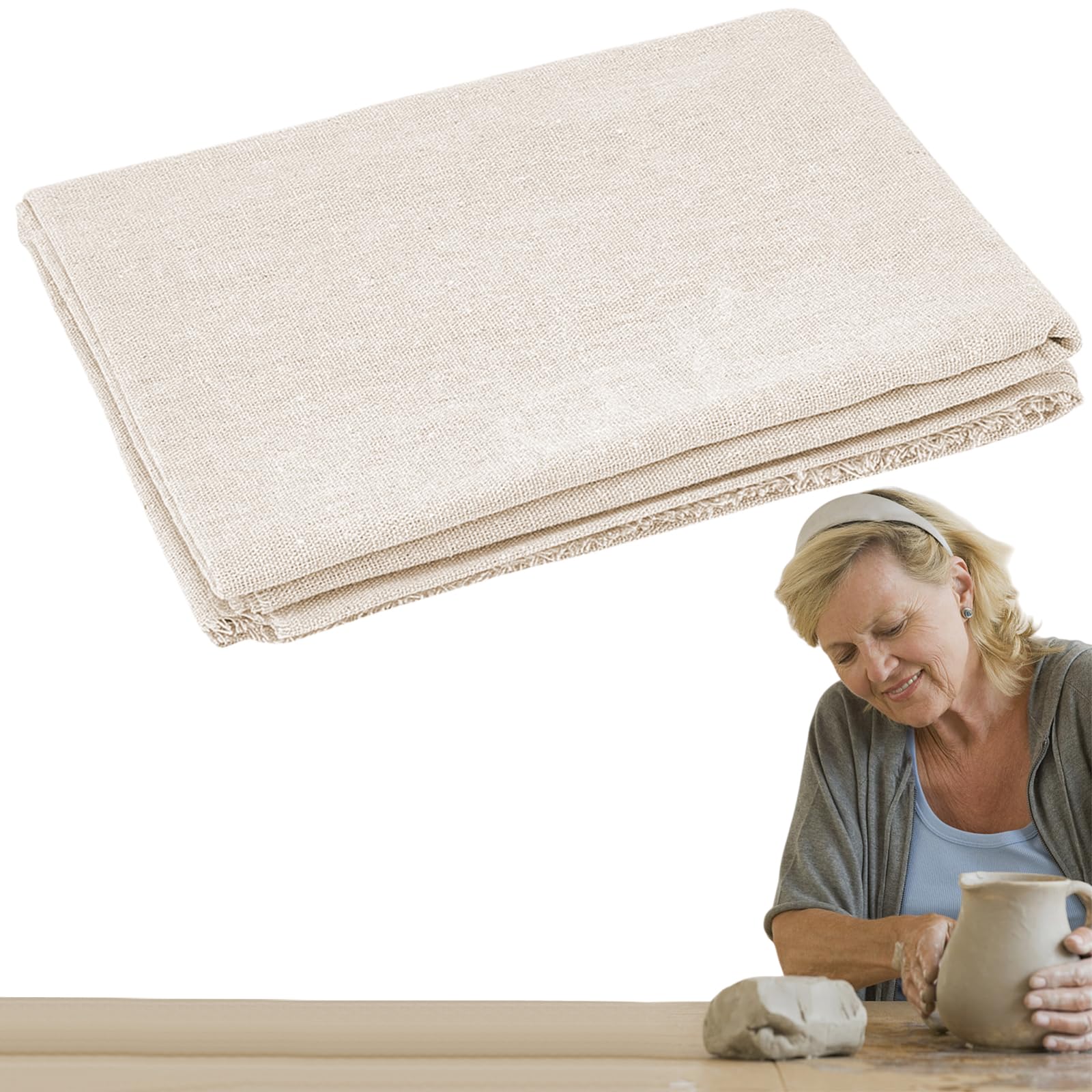
ℹ️ RokkuWare finanziert sich durch Leser. Wenn du über Links kaufst, erhalten wir möglicherweise eine Provision – ohne Zusatzkosten für dich.