🔥 1. Der Reiz

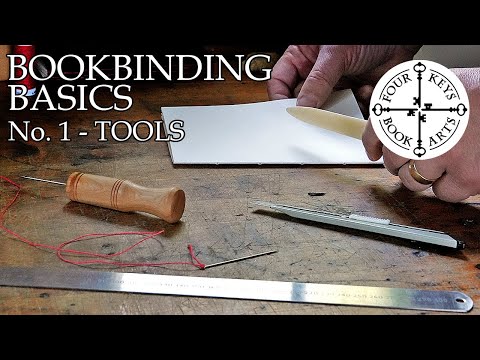
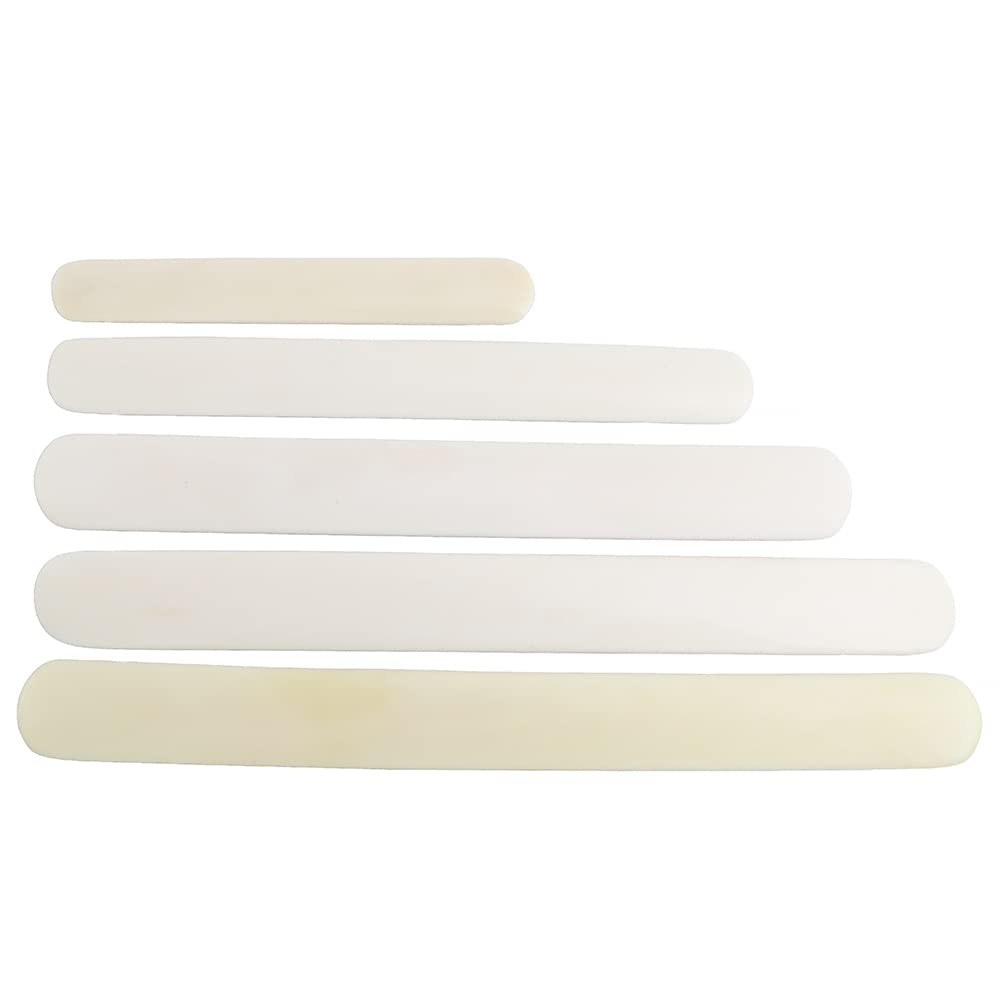
There is an undeniable physical satisfaction in holding a book you constructed entirely by hand. From the crisp snap of folding paper along its grain to the rhythmic pull of waxed linen thread gliding through freshly pierced signatures, bookbinding engages senses that digital screens have long rendered dormant. The tactile feedback of bone folders smoothing down spine cloth, the gentle aroma of PVA glue, and the deliberate geometry of measuring boards create an immersive sanctuary of calm focus where tactile craft reigns supreme.
Beyond the meditative mechanics, bookbinding unlocks ultimate creative sovereignty over how ideas, sketches, and stories are preserved. Standard off-the-shelf notebooks force rigid formats, paper weights, and bindings upon you; creating your own bindings lets you pair heavy watercolour papers with luxurious velvet covers or lay-flat exposed stitchings. As your hands master the delicate balance of thread tension and board alignment, every completed volume becomes both a functional tool and a personal artifact engineered to endure for generations.
🗺️ 2. Die Landschaft
Before filling your workshop with heavy iron presses and specialized nipping tools, it helps to understand the distinct binding styles that dictate a book's structure, flexibility, and aesthetic appeal.
Saddle Stitching & Pamphlet Binding (Minimalist Fast Stitching)
Focuses on single-signature booklets joined through the spine fold using simple staple or thread loops. It requires minimal tools and provides a quick, lightweight construction perfect for zines, slim journals, and field notebooks.
Coptic Binding (Exposed Decorative Spine Structure)
Utilizes a chain-stitch technique across multiple signatures attached to open wooden or thick board covers without spine glue. This style allows the book to lay completely flat when open, showcasing exposed, intricate thread lattice work along the spine.
Case Binding / Hardcover (Traditional Archival Encapsulation)
Involves sewing signatures onto tapes or cords, attaching endpapers, and securing the text block inside a rigid cloth- or paper-wrapped cardboard case. It represents the classic library aesthetic, offering maximum protection and durability for dense journals and heavy volumes.
For complete beginners, a simple single-signature pamphlet or a softcover Japanese stab binding is universally recommended: starting with these fundamental forms teaches grain direction, hole punching precision, and basic sewing tension without forcing you to deal with complex glueing or casing calculations on your very first project.
🛒 3. Starter-Kit & Budget
Sorgfältig ausgewählte Mindestausrüstung für Tag 1. Kein teurer Schnickschnack, keine Hürden.

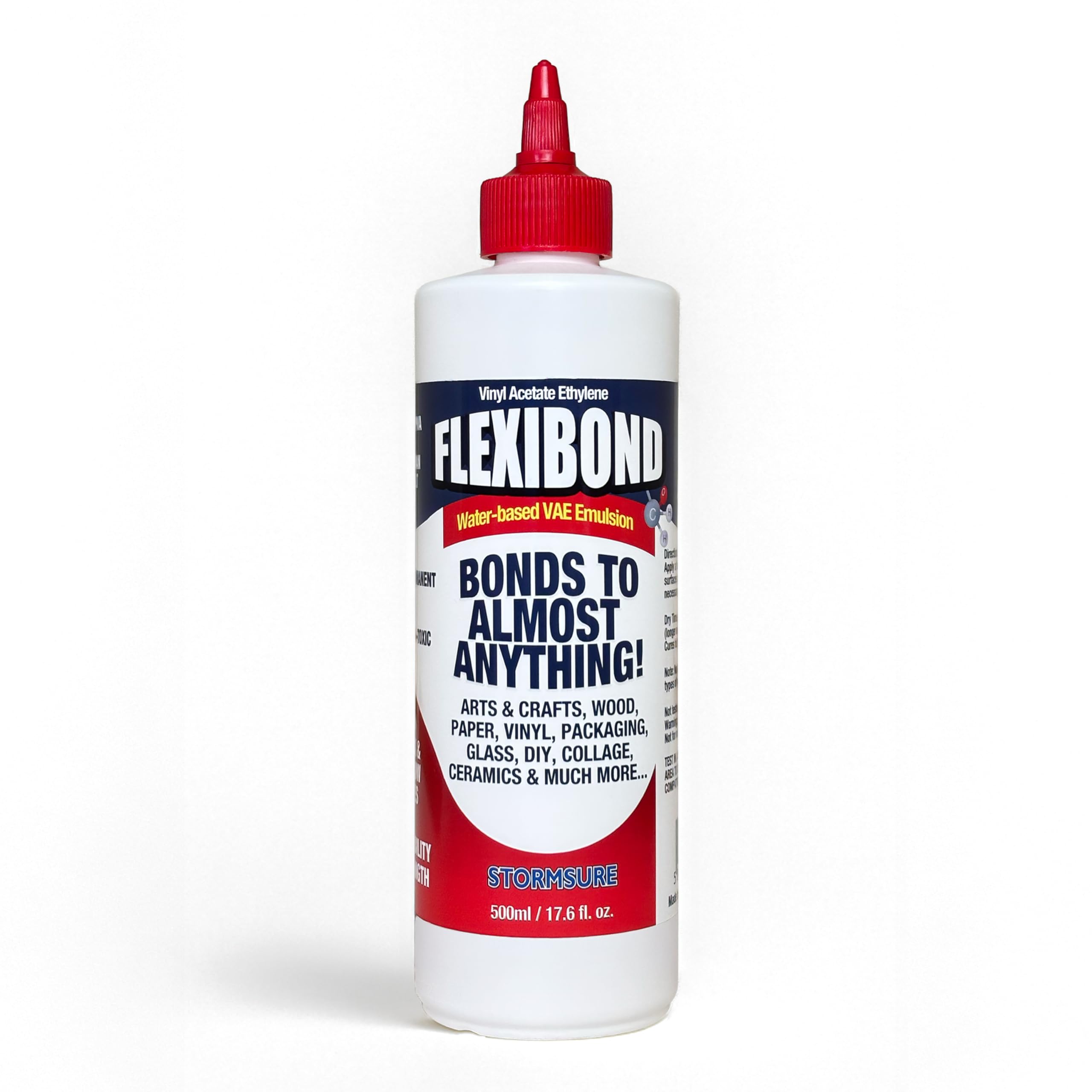
ℹ️ RokkuWare finanziert sich durch Leser. Wenn du über Links kaufst, erhalten wir möglicherweise eine Provision – ohne Zusatzkosten für dich.