🔥 1. Il fascino principale

There is a primal electric thrill in scanning the damp forest floor and suddenly spotting the golden cap of a chanterelle poking through fallen pine needles. Wild mushroom foraging transforms a standard woodland walk into a high-stakes treasure hunt, shifting your awareness away from screen fatigue and dialing your senses directly into the micro-geography of the earth. You begin noticing soil dampness, tree root associations, and microclimates you previously walked past without a second thought.
Beyond the quiet meditation of the search, foraging offers a profound connection to the culinary world. Harvesting pristine, gourmet fungi that cannot be cultivated commercially and bringing them straight to a hot cast-iron skillet provides an unmatched sense of self-reliance and deep satisfaction. It is a hobby that balances scientific discipline with outdoorsmanship, rewarding curiosity, patience, and visual precision.
🗺️ 2. Il panorama
Before purchasing specialized baskets or knives, it is essential to understand that mushroom foraging varies significantly depending on your habitat, target species, and personal goals.
Choice Culinary Foraging (Gastronomic Focus)
Concentrates specifically on high-value, easily identifiable gourmet species with few toxic lookalikes, such as chanterelles, lion's mane, and chicken of the woods. Foragers spend their time mapping specific tree species and seasonal rains to harvest top-tier edible fungi for kitchen use.
Mycological Survey & Identification (Scientific & Taxonomic Focus)
Focuses on logging, documenting, and studying the full biodiversity of fungi within an ecosystem rather than eating them. Practitioners utilize spore prints, microscopic analysis, and field guides to identify rare or non-edible species for ecological conservation and community science.
Urban & Suburb Tree-Line Foraging (Accessible Micro-Foraging)
Center on identifying opportunistic urban species growing in public parks, landscaped woodchips, and suburban tree lines, such as oysters or shaggy manes. This discipline emphasizes hyper-local geography and careful screening for soil contaminants or lawn treatments.
For complete beginners, a local choice culinary focus paired with a regional field guide is universally recommended: focusing on just three foolproof local species prevents sensory overload, minimizes safety risks, and delivers quick wins without requiring deep taxonomic expertise right away.
🛒 3. Kit iniziale & budget
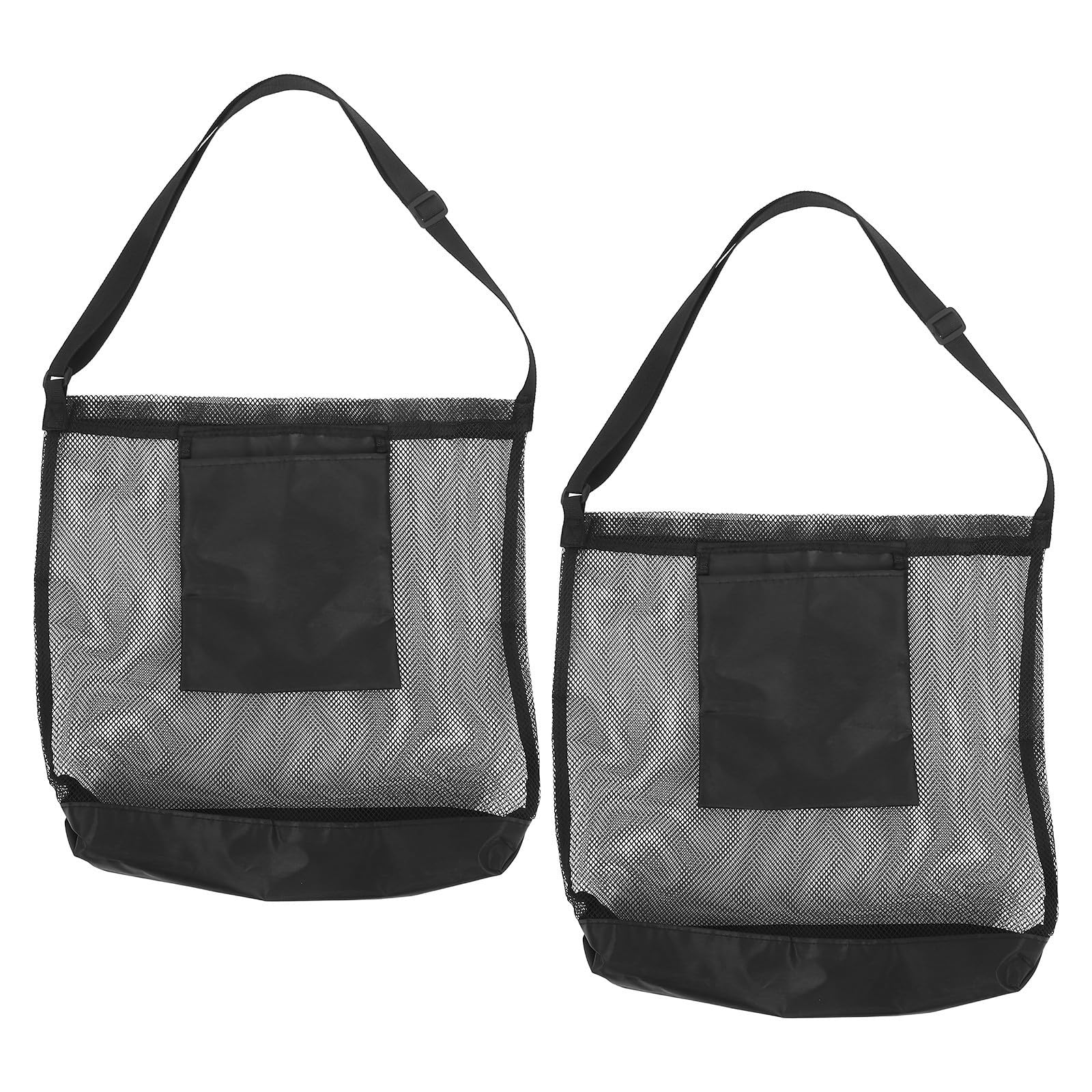
Il minimo indispensabile per il primo giorno. Niente spese superflue né barriere.


ℹ️ RokkuWare è supportato dai lettori. Quando acquisti tramite i link, potremmo ricevere una commissione senza alcun costo aggiuntivo.