🔥 1. Il fascino principale

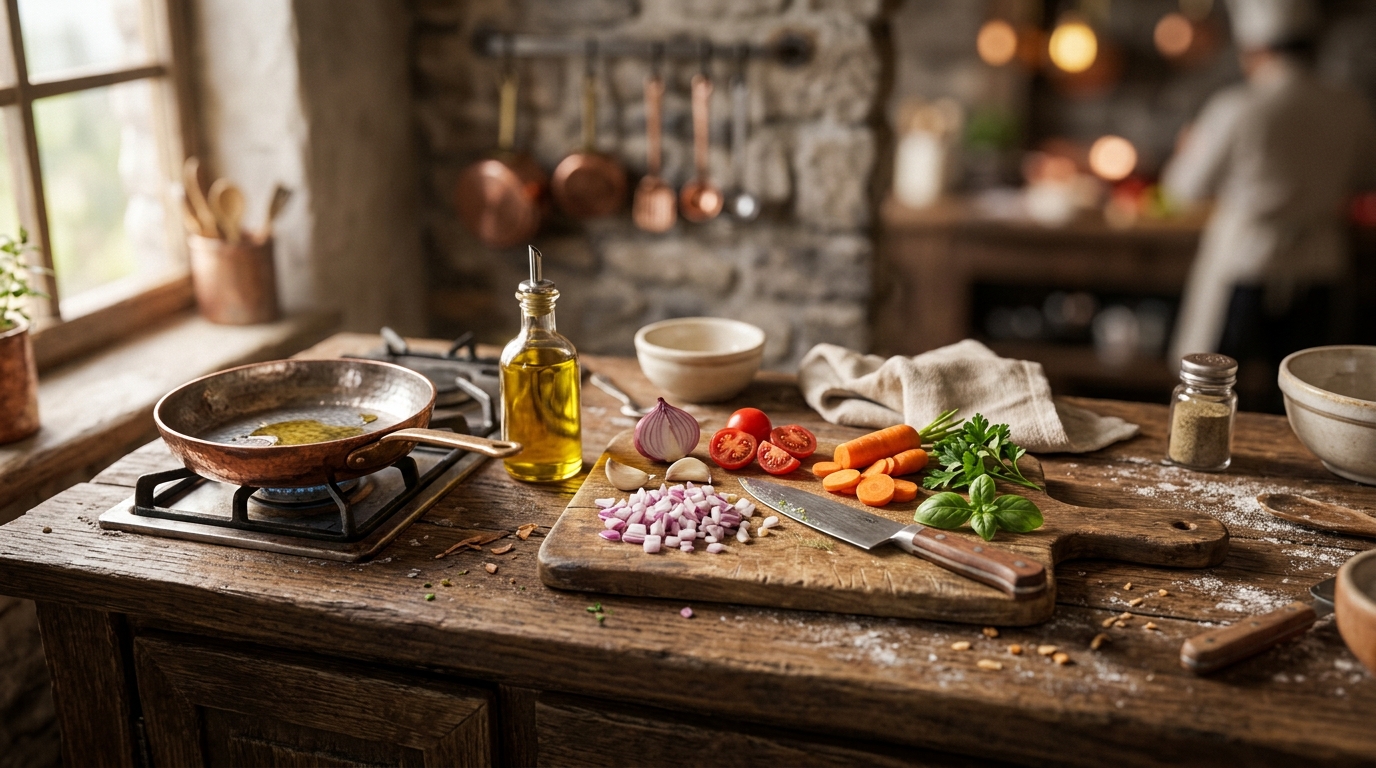
The art of sushi and sashimi lies at the intersection of extreme physical precision and deep culinary respect for raw ingredients. There is an undeniable sensory rhythm when your single-bevel knife glides effortlessly through a loin of fresh salmon, yielding translucent, perfectly uniform slices without tearing a single fiber. The tactile feedback of warm, seasoned vinegared rice yielding gently between your palms as you shape a nigiri bite creates a deeply meditative flow state, turning a meal preparation into a deliberate, graceful performance.
Beyond the kitchen counter, mastering these foundational Japanese knife skills elevates your entire relationship with food and spatial presentation. You learn to read grain patterns, control blade angle with micro-adjustments of your wrist, and balance delicate flavor profiles like seasoned rice vinegar, fiery freshly ground wasabi, and umami-rich soy sauce. Serving restaurant-quality sashimi to friends delivers an immense surge of creative pride, proving that true culinary mastery relies not on complex appliances, but on sharp steel, refined technique, and mindful hands.
🗺️ 2. Il panorama
Before investing in high-end Japanese cutlery, it helps to understand the distinct disciplines within cold Japanese culinary preparation, as each demands unique blade geometries and hand techniques.
Sashimi Slicing (Pure Ingredient Integrity)
Focuses on razor-sharp single-stroke pulls using long, narrow blades like the Yanagiba to preserve cellular texture and maximize luster. Cuts vary from paper-thin Usu-zukuri for delicate whitefish to thick Hira-zukuri blocks for fatty tuna.
Nigiri Shaping (Balance of Rice and Topping)
Centers on the delicate physical rhythm of hand-forming seasoned shari rice mounds and drape-fitting raw toppings. The focus is achieving structural integrity on the plate that collapses instantly and smoothly on the tongue.
Maki Rolling (Structural Layering)
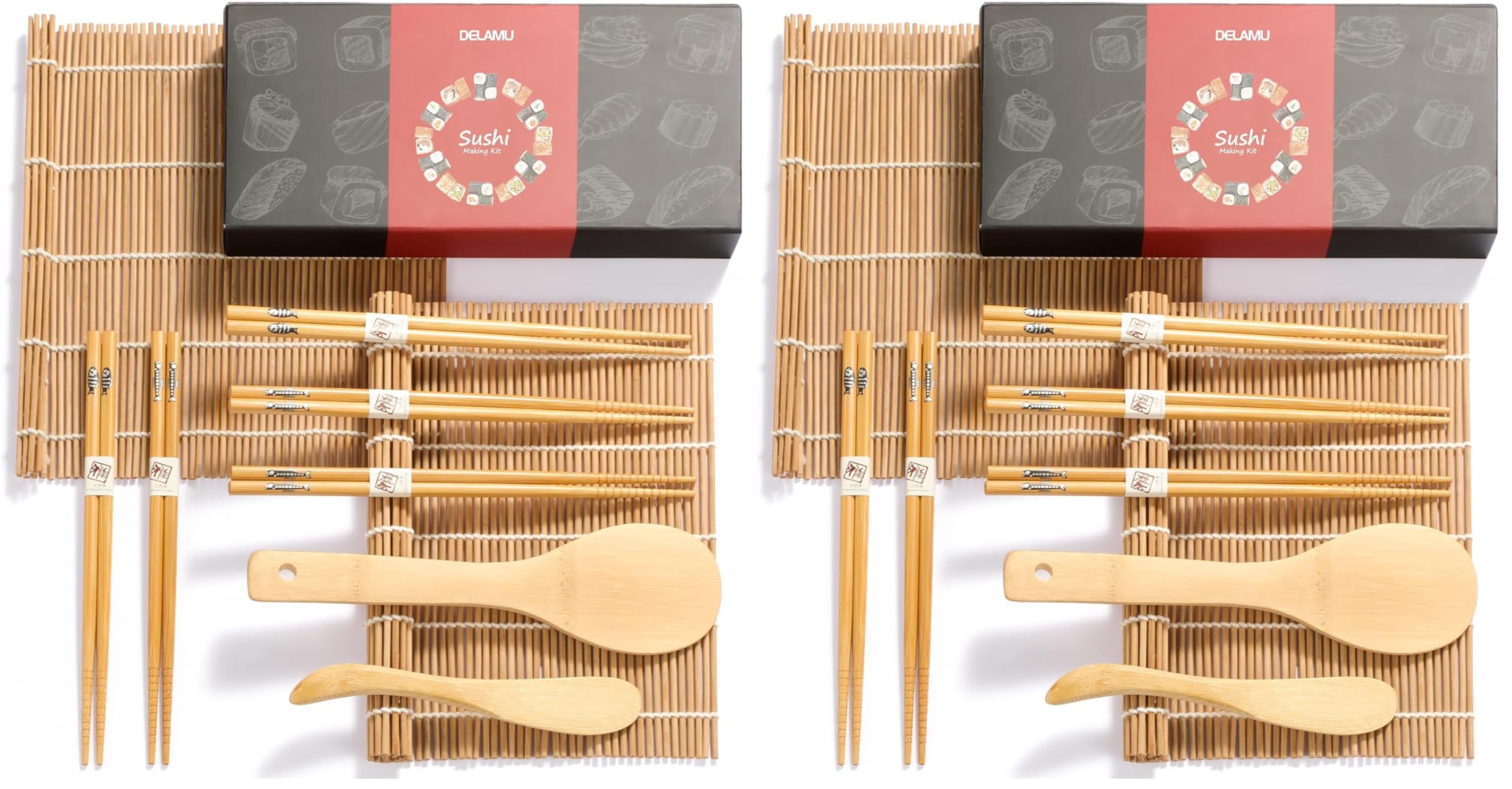
Utilizes bamboo rolling mats to enclose rice, nori seaweed, and varied fillings into tight, symmetrical cylinders. It balances uniform pressure application with precise cross-sectional slicing to yield clean, attractive rounds.
For complete beginners, practicing basic maki rolls and salmon sashimi cuts using a sharp kitchen knife or entry-level yanagiba is universally recommended: starting with fresh, skinless salmon loins and standard short-grain rice cures analysis paralysis without locking them into specialized, expensive carbon steel maintenance on day one.
🛒 3. Kit iniziale & budget
Il minimo indispensabile per il primo giorno. Niente spese superflue né barriere.


ℹ️ RokkuWare è supportato dai lettori. Quando acquisti tramite i link, potremmo ricevere una commissione senza alcun costo aggiuntivo.