🔥 1. The Core Appeal
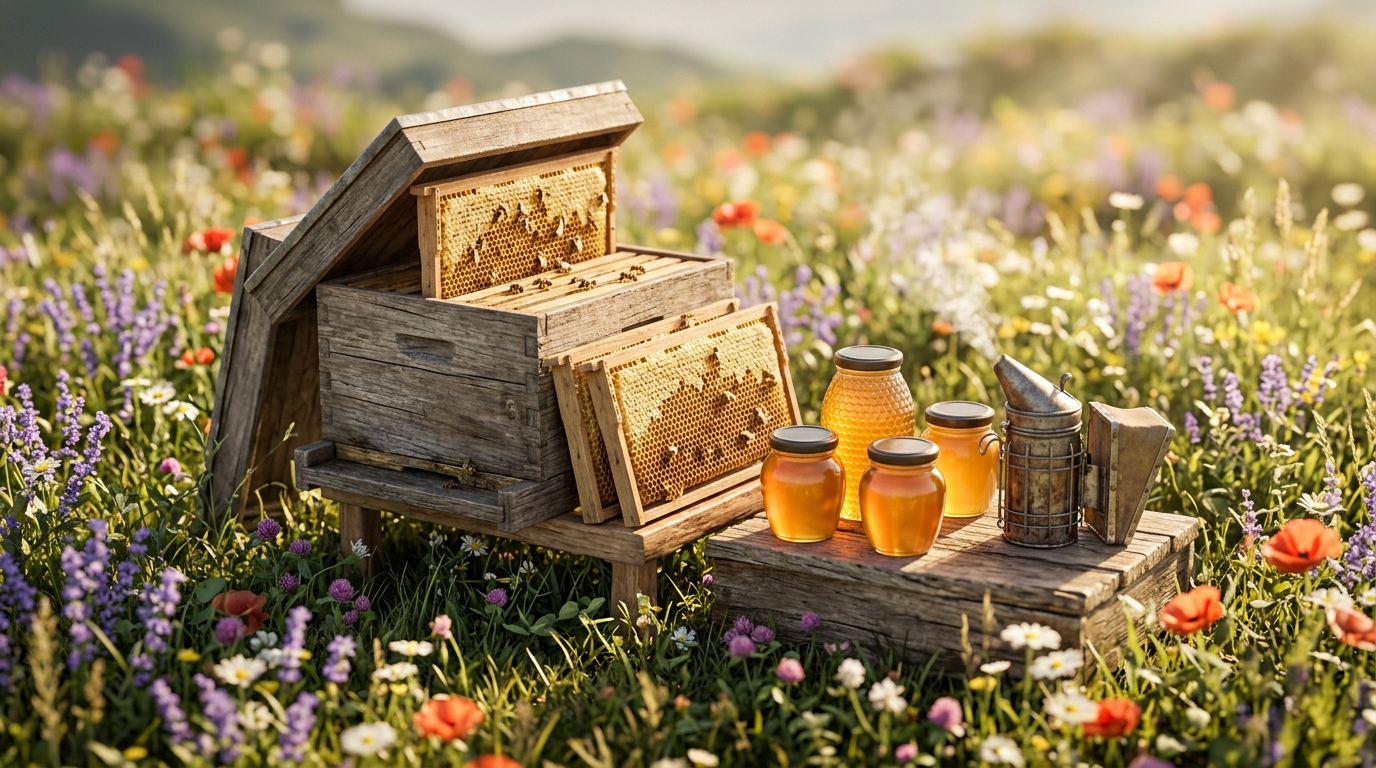
Stepping up to a buzzing beehive forces an immediate, meditative calm. The warm air fills with the rich, resinous aroma of beeswax, fresh propolis, and sweet nectar, while tens of thousands of bees move in a synchronized rhythm. Because honeybees instantly sense sharp movements and nervous energy, beekeeping demands total mental presence. Underneath your protective veil, the outside world fades into background noise as you synchronize your heartbeat with the steady, rhythmic hum of the superorganism.
Beyond the Zen-like focus required for hive management, apiculture connects you deeply to the local ecosystem and the seasonal cycles of floral blooms. Watching a single queen lay thousands of eggs, observing nurse bees tend to brood, and witnessing foragers return laden with bright yellow pollen brings a profound appreciation for nature's design. The ultimate reward arrives at harvest time: amber honey pulled straight from your frames, bursting with distinct local flavors that change from week to week.
🗺️ 2. The Landscape
Before purchasing woodenware or ordering a package of bees, it is essential to understand the primary hive management systems that define modern apiculture.
Langstroth Hive Beekeeping (Standard Modular Farming)
Utilizes heavy vertical stacked boxes with removable frames, maximizing honey production through standardized equipment and easy management. Its widespread adoption means replacement parts and local advice are abundant across the globe.
Top-Bar Hive Beekeeping (Natural Horizontal Management)
Employs a single long horizontal trough with bars along the top, allowing bees to build natural comb with minimal heavy lifting. This approach favors bee-centric geometry and eliminates the need to lift heavy stacked hive bodies.
Warre Hive Beekeeping (Low-Intervention Nesting)
Features a tiering vertical system designed to mimic natural tree hollows, focusing on minimal hive inspections and natural comb building. It offers an ideal setup for keepers prioritizing natural colony development over commercial honey yields.
For complete beginners, a 10-frame Langstroth hive kit is universally recommended: its standardized modular design ensures universal component compatibility, vast community troubleshooting resources, and an adaptable foundation that cures analysis paralysis without locking them into a rigid style.
🛒 3. The Starter Kit & Budget
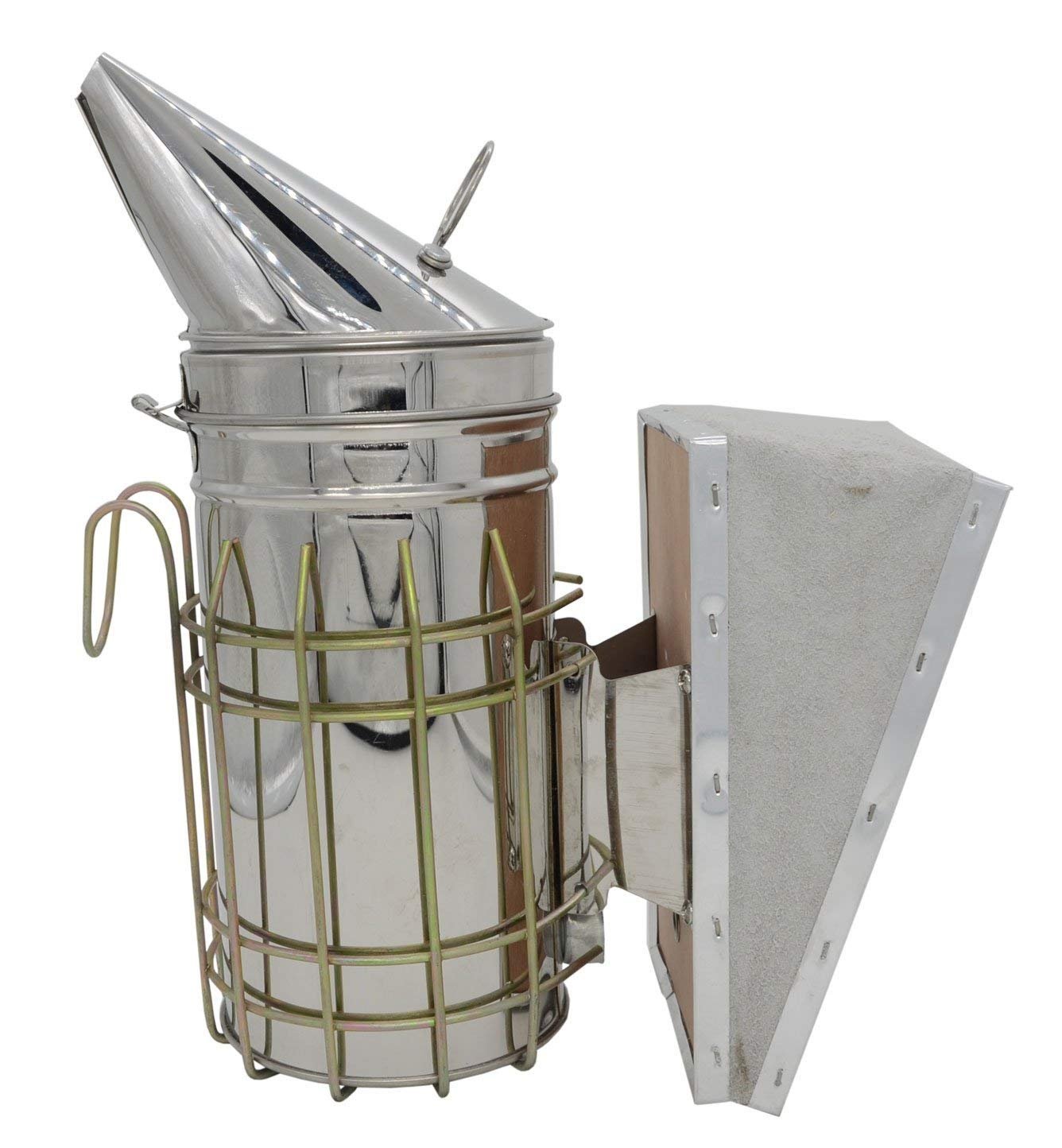
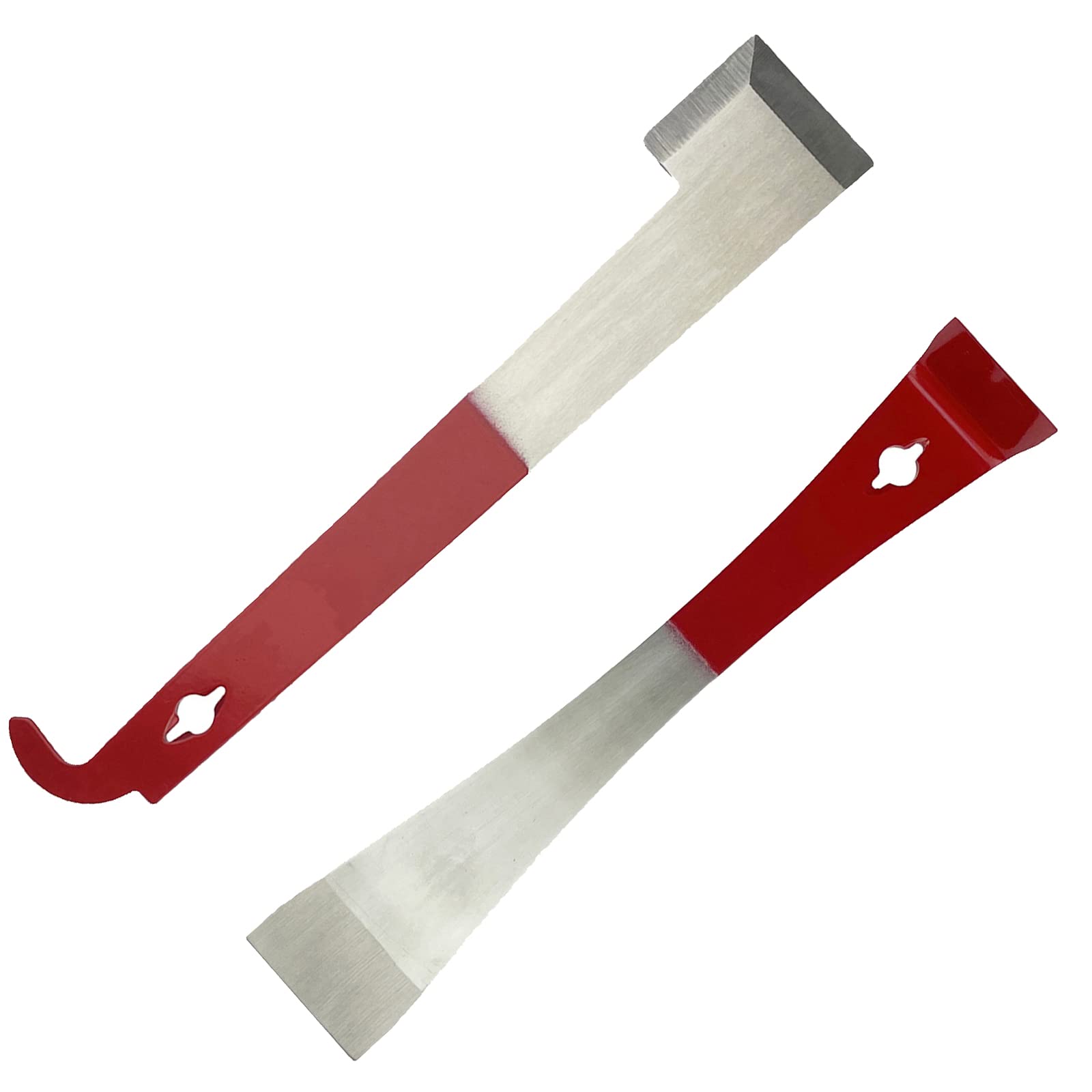
Curated minimum gear required for day one. No expensive fluff or pro-tier barriers.

ℹ️ RokkuWare is reader-supported. When you buy through links on our site, we may earn an affiliate commission at zero extra cost to you.