🔥 1. The Core Appeal
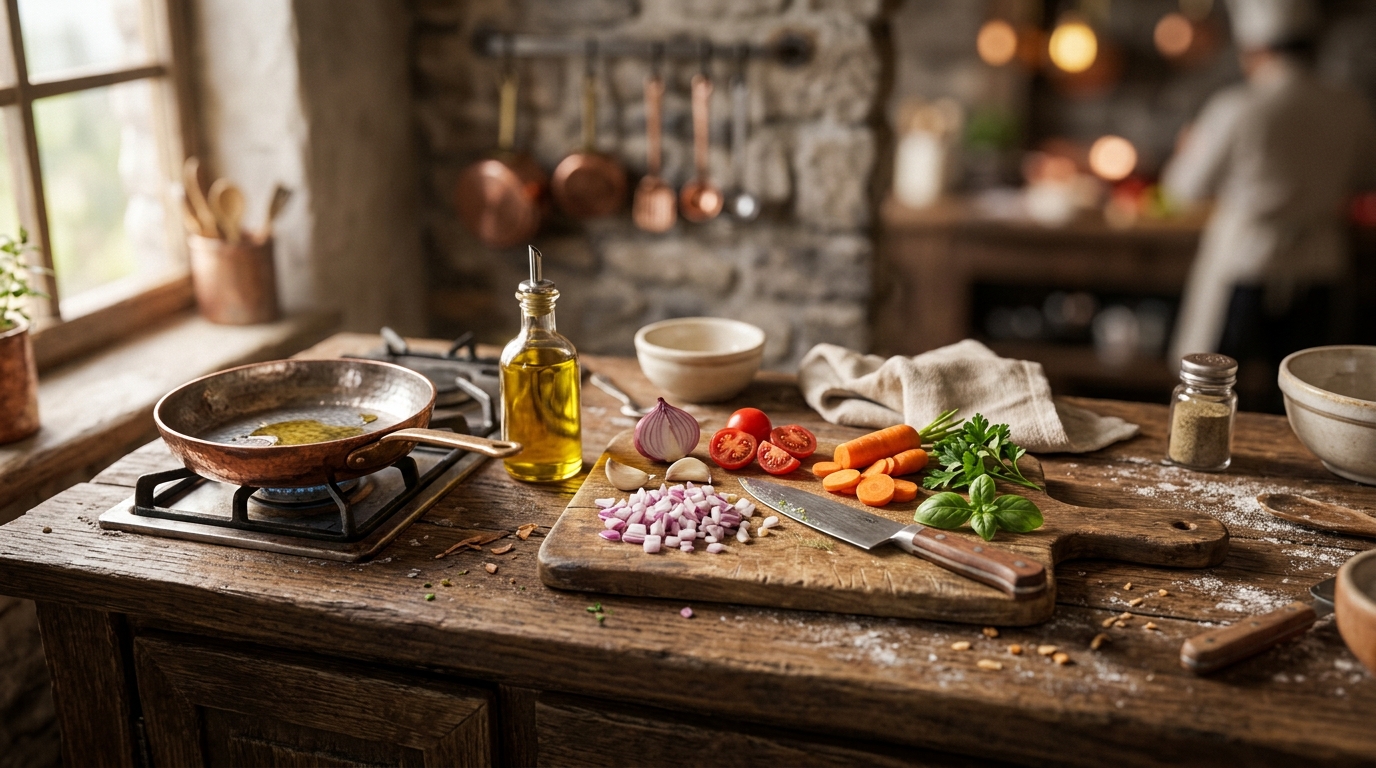
Cooking is the ultimate sensory art form, transforming raw components into tangible, comforting rewards through touch, sound, and aroma. From the sizzle of garlic hitting warm olive oil to the deep, satisfying crust on a pan-seared protein, preparing food engages every sense while anchoring you firmly in the present moment. It bridges the gap between creative expression and physical sustenance, providing an immediate, delicious feedback loop that turns a daily task into a deeply fulfilling craft.
Beyond the plate, mastering kitchen fundamentals unlocks a profound sense of self-reliance and creative freedom. Stepping away from pre-packaged foods gives you complete control over your health, flavor profiles, and wallet. As you build confidence with knife control and heat management, the kitchen stops feeling like an unpredictable zone of recipes and strict rules, transforming instead into a personal workshop where simple, inexpensive ingredients yield incredible daily experiences.
🗺️ 2. The Landscape
Before filling your kitchen with single-use gadgets or specialized appliances, it helps to understand the core techniques that dictate home culinary styles.
Stovetop Sauteing & Searing (High Heat & Quick Cooking)
Focuses on rapid heat transfer using oil in a pan to develop deep surface browning and caramelization. This style relies heavily on timing, active pan management, and moisture control to produce crisp-tender vegetables and flavorful proteins.
Roasting & Baking (Dry Oven Heat)
Utilizes indirect, ambient heat to transform ingredients through low-effort, hands-off cooking. Perfect for sheet-pan dinners, roasted root vegetables, and braises, this discipline relies on patience, gentle heat penetration, and predictable timing.
Simmering & Poaching (Moisture-Based Heat)
Employs hot liquids like stocks, broths, or sauces to gently tenderize ingredients and infuse deep flavors. This style is ideal for soups, stews, grains, and soft-cooked foods, emphasizing slow flavor extraction and subtle seasoning balance.
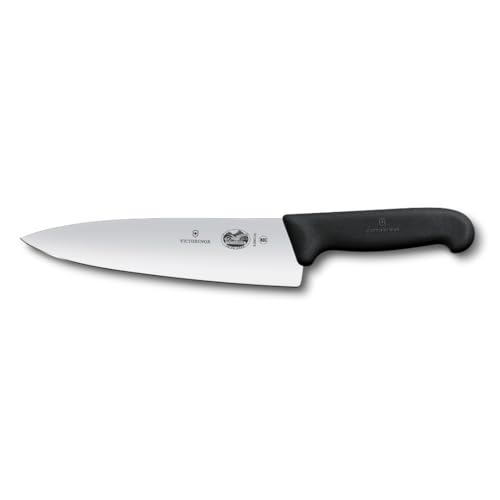
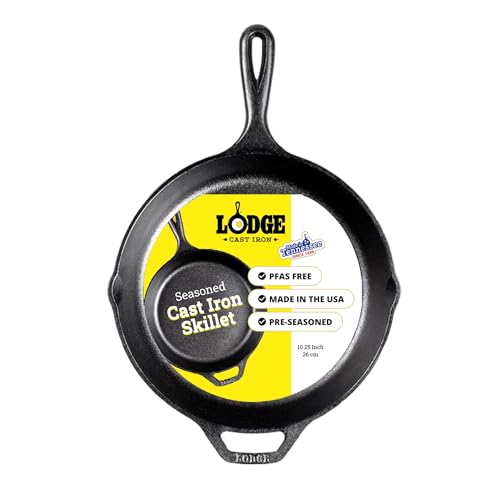
For complete beginners, a basic stovetop skillet and chef's knife setup is universally recommended: focusing on basic stovetop searing and simple slicing cures analysis paralysis without locking them into a rigid style.
🛒 3. The Starter Kit & Budget
Curated minimum gear required for day one. No expensive fluff or pro-tier barriers.

ℹ️ RokkuWare is reader-supported. When you buy through links on our site, we may earn an affiliate commission at zero extra cost to you.