🔥 1. The Core Appeal
Few physical sensations compare to the immediate, tactile feedback of plucking a guitar string. The vibrations ripple through the wood directly into your chest, creating an intimate connection between your body and the instrument. As steel or nylon presses against your fingertips, every micro-adjustment in pressure and angle alters the harmonic output, offering an endlessly responsive canvas for self-expression.
Beyond the tactile joy lies a deeply restorative psychological state. Locking into a rhythmic strumming pattern silences mental chatter, pulling you entirely into the present moment. Whether deciphering your favorite songs or creating original chord progressions, guitar playing strikes a perfect balance between tactile muscle memory and auditory intuition, providing a lifelong creative outlet that evolves alongside you.
🗺️ 2. The Landscape
Before diving into amps, pedals, or specific acoustic tonewoods, it is helpful to understand how different guitar archetypes shape your learning curve, physical comfort, and sound profile.
Acoustic Steel-String (Raw Resonance & Versatility)
Steel-string acoustics produce a rich, projectable tone that serves as the backbone for folk, pop, rock, and country accompaniment. The higher string tension builds finger strength quickly, making it a rugged, portable option that requires no external amplification to sound full.
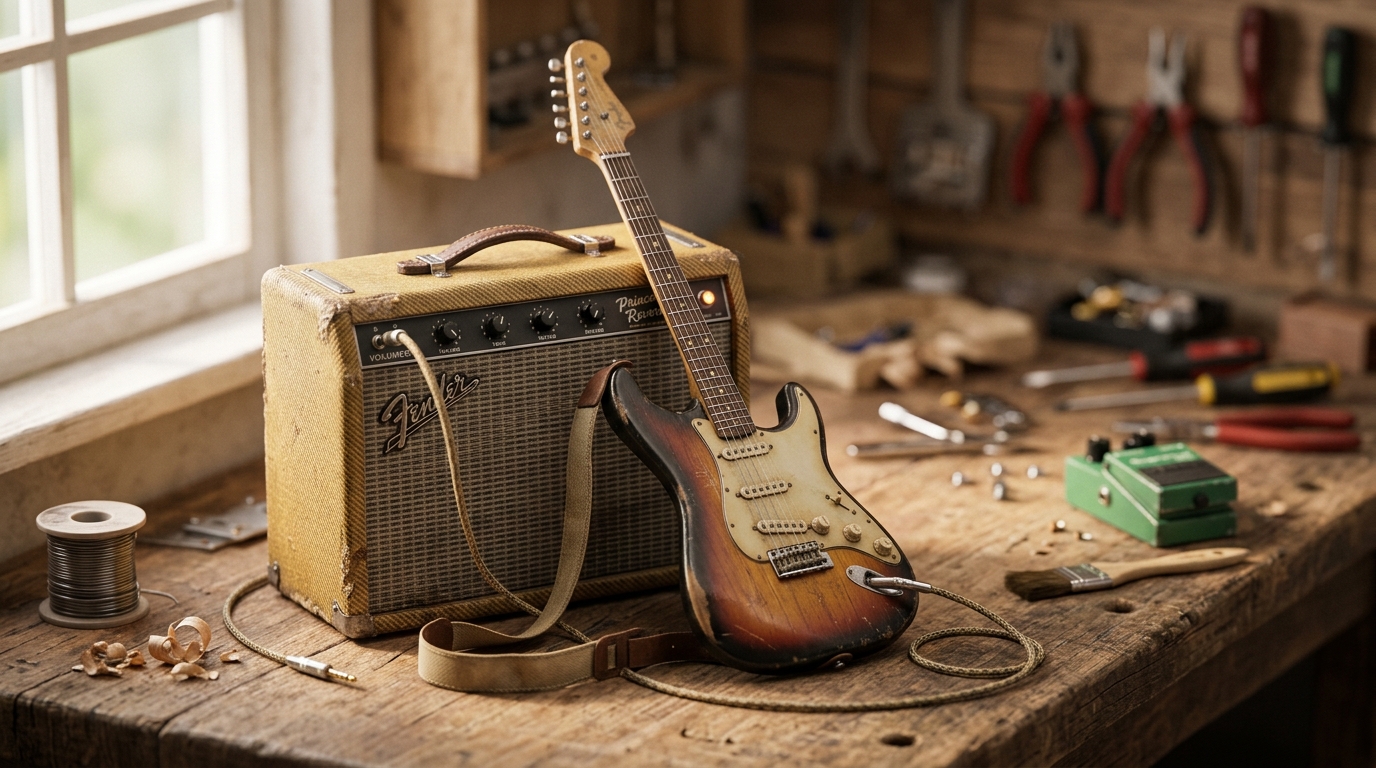
Electric Guitar (Tonal Versatility & Tactile Ease)
Featuring slim necks and lower string action, electric guitars are physically easier on novice fingers while unlocking an endless palette of amplified sound via effects and amplifiers. They excel across rock, blues, jazz, and modern pop, though they rely on powered equipment to produce their true tone.
Classical Nylon-String (Tactile Precision & Polyphonic Harmony)
Stringed with soft nylon and built with a wider fretboard, classical guitars produce a warm, mellow timbre ideal for fingerstyle, classical, and Latin arrangements. The lower string tension offers a forgiving experience for fresh fingertips while cultivating precise finger-picking mechanics.
For complete beginners, an entry-level dreadnought acoustic guitar or a beginner electric starter bundle is universally recommended: an acoustic provides simple, grab-and-go practice anywhere without cables, while an electric offers lower action that minimizes initial finger fatigue without locking them into a rigid style.
🛒 3. The Starter Kit & Budget
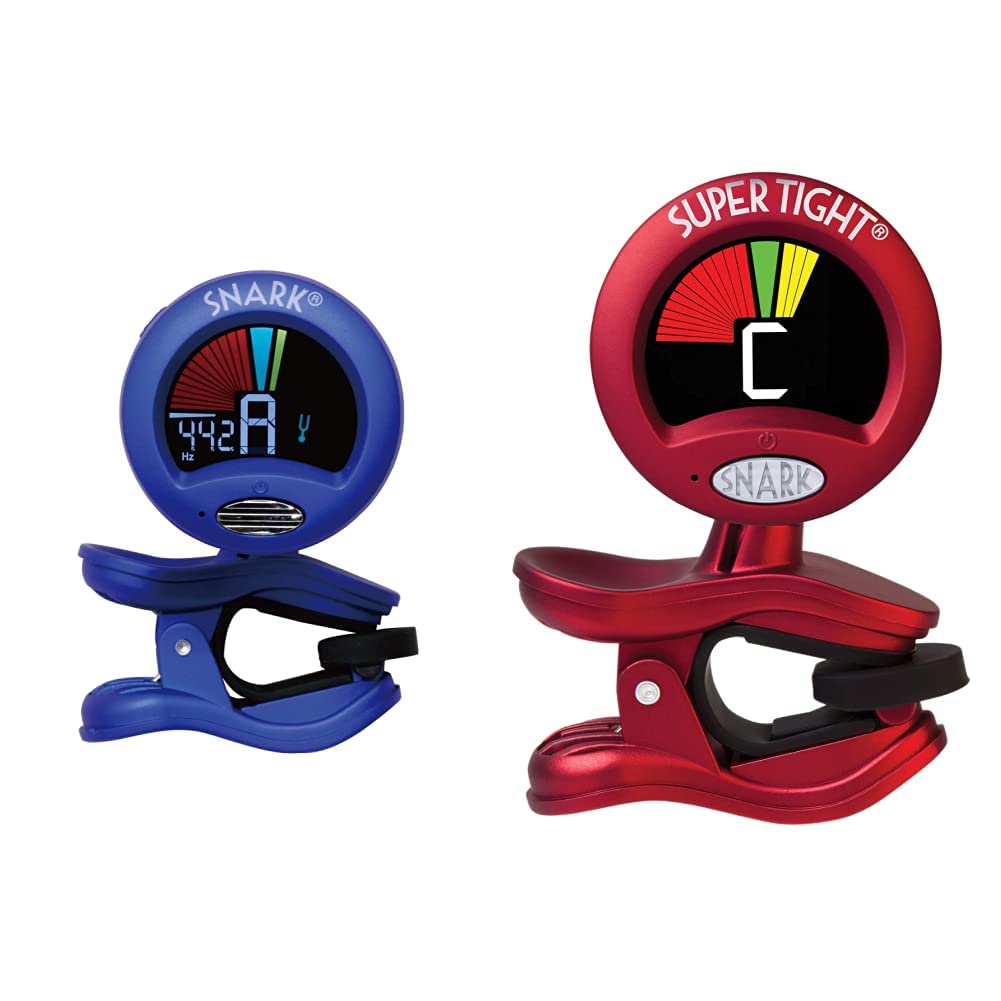
Curated minimum gear required for day one. No expensive fluff or pro-tier barriers.


ℹ️ RokkuWare is reader-supported. When you buy through links on our site, we may earn an affiliate commission at zero extra cost to you.