
🔥 1. The Core Appeal
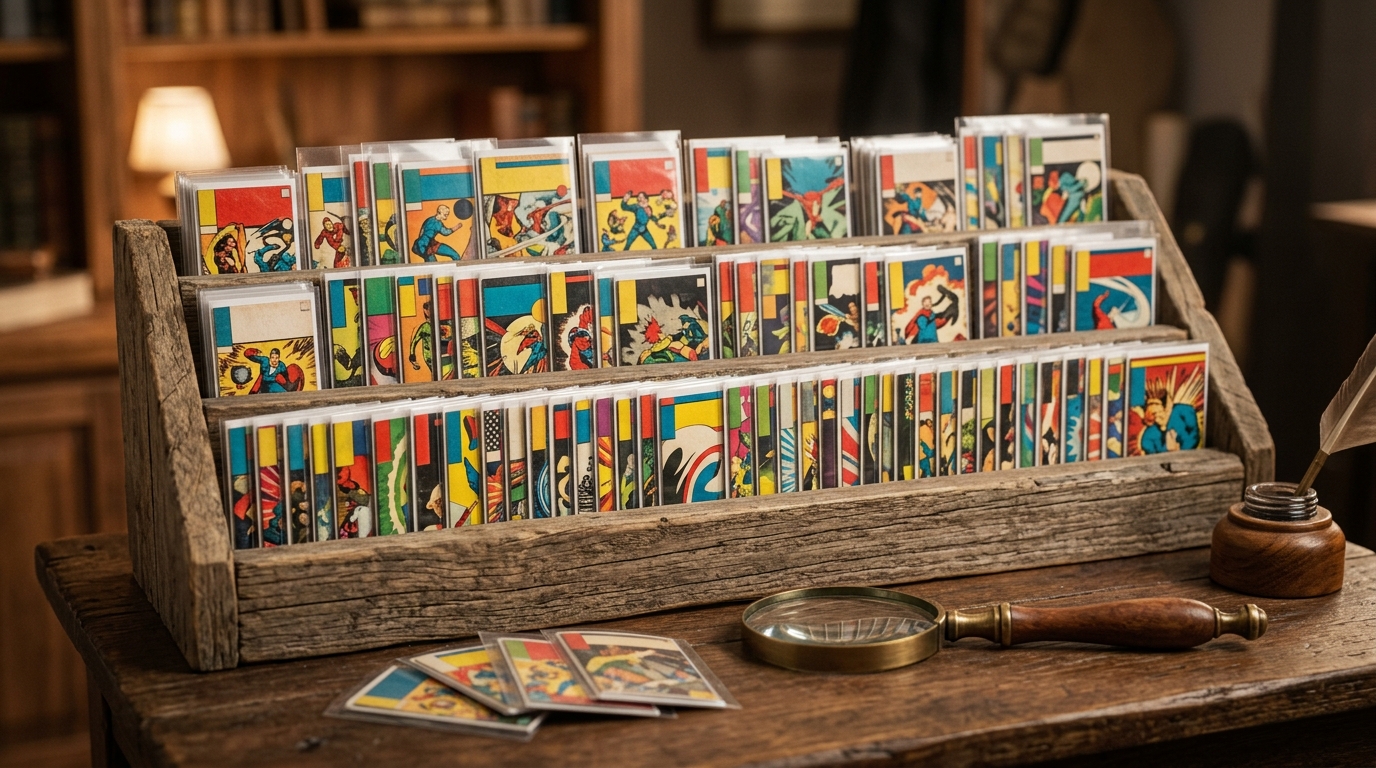
Comic collecting is a uniquely tactile bridge between pop culture history and personal curation. The psychological thrill lies in the hunt—flipping through dusty long-boxes at local comic shops, spotting rare variant covers, or tracking down elusive key issues that feature historic character debuts. Holding a pristine issue brings an immediate sensory satisfaction: the distinct scent of newsprint or modern gloss ink, the vibrant splash of sequential art, and the tangible connection to legendary creators who built modern mythologies.
Beyond the thrill of acquisition, comic collecting fosters a deeply satisfying flow state of preservation and organization. Bagging, boarding, and cataloging a fresh haul turns loose stacks of single issues into a sleek, archival library tailored entirely to your personal tastes. Whether you are chasing investment-grade keys or simply building unbroken runs of your favorite obscure creators, the hobby offers a rich blend of artistic appreciation, visual storytelling, and community connection with fellow collectors.
🗺️ 2. The Landscape
Before rushing to buy every book on the shelf, it helps to understand how the comic collecting landscape is divided by aesthetic focus, historical era, and preservation goals.
Single-Issue Key Hunting (Chasing Historical Significance)
Collectors focus on acquiring 'key issues'—comics featuring landmark character appearances, origin stories, or famous cover art. This style relies on researching market trends, publisher histories, and searching through back-issue bins for underpriced gems.
Series & Creator Runs (Completing Sequential Arcs)
This discipline focuses on building unbroken chronological runs of a specific title, writer, or artist. The core appeal comes from visual completionism on the shelf and experiencing full narrative arcs in their original periodical format.
Variant Cover & Art Curating (Visual Aesthetic Curation)
Driven primarily by cover illustration, this approach treats comics as gallery-grade graphic prints. Enthusiasts collect alternate covers drawn by specific guest illustrators, convention exclusives, or limited incentive variants regardless of the interior narrative.
For complete beginners, focusing on a current ongoing series paired with standard archival supplies is universally recommended: this balanced approach allows you to enjoy accessible, affordable stories while building fundamental preservation and cataloging habits without financial strain.
🛒 3. The Starter Kit & Budget
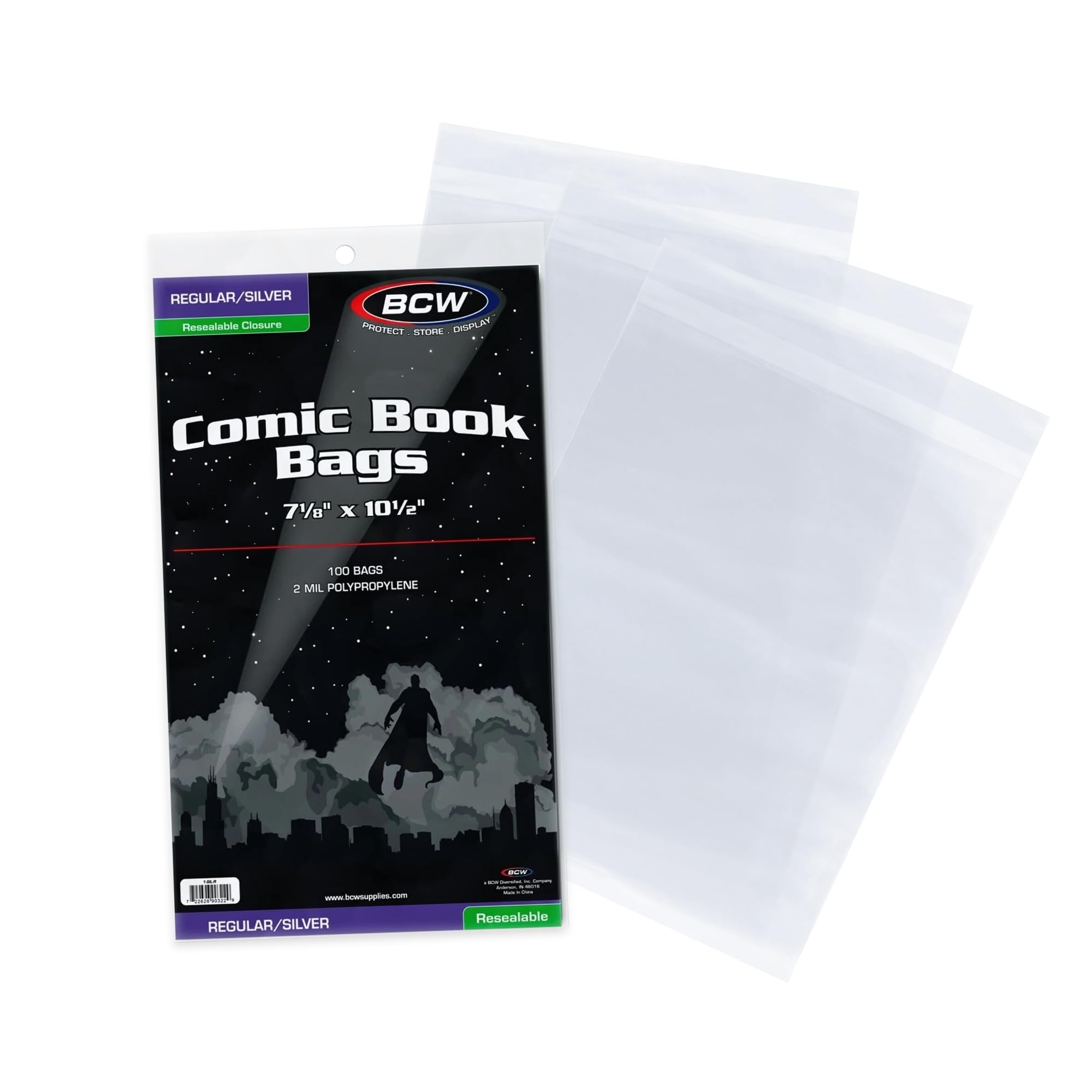
Curated minimum gear required for day one. No expensive fluff or pro-tier barriers.

ℹ️ RokkuWare is reader-supported. When you buy through links on our site, we may earn an affiliate commission at zero extra cost to you.